
Apple’s education push, viewed through a Mac platform lens
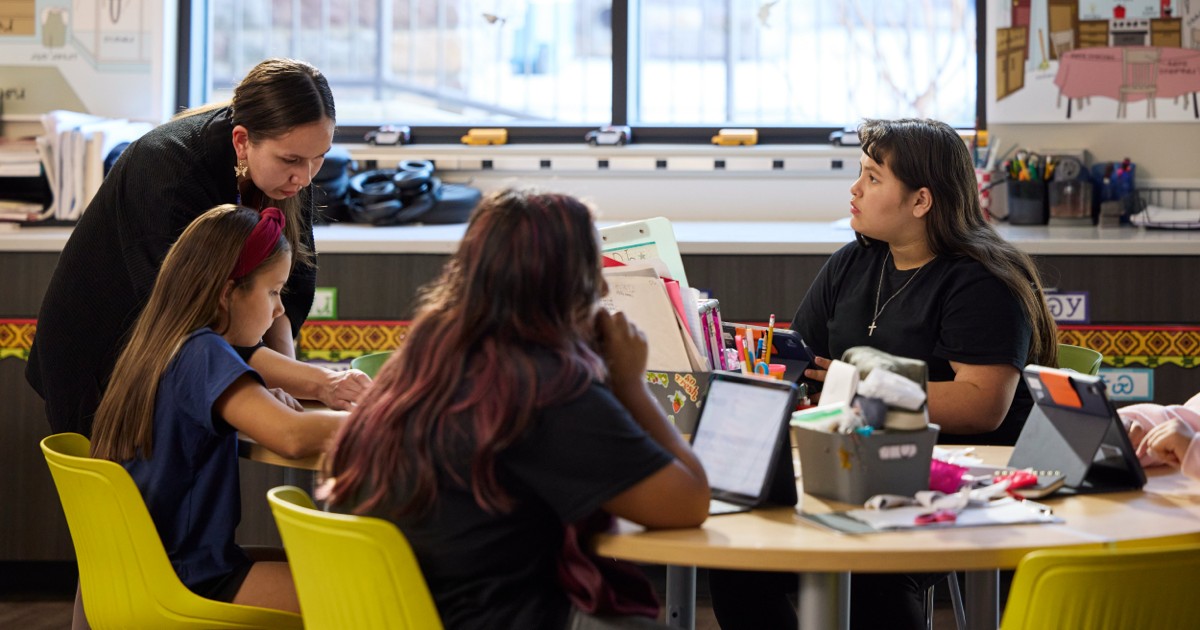
Apple Newsroom’s new feature, Cherokee language learners bridge generations with iPad and Mac, isn’t about games — but it is about the Apple platform showing up where consistency, accessibility, and easy-to-deploy creative tools matter. Through Apple’s Community Education Initiative, the company is working with Oklahoma City University (OCU) and Cherokee Nation to equip teachers and students at the Cherokee Immersion School (pre-K through eighth grade) and nearby Sequoyah High School with iPad and Mac.
For Mac and Apple Silicon readers, the interesting angle here is the same one that often shows up in gaming conversations: when hardware, OS features, and first-party apps are cohesive, you can build repeatable workflows that travel between classroom and home without friction. In this case, that workflow is language learning and preservation, not performance charts and frame times.
Why iPad and Mac fit this kind of “practice everywhere” workflow
According to the story, students use iPad to study Cherokee by writing words and phrases in Notes and recording themselves speaking aloud to refine pronunciation. That “record, review, repeat” loop is a classic use-case for Apple devices: quick capture, instant playback, and low setup overhead so the focus stays on practice rather than tooling. The article also underlines a key constraint in language learning — every sound matters — which makes reliable recording and playback a practical feature rather than a nice-to-have.
From an ecosystem standpoint, this is the same advantage Mac users benefit from across creative and dev tasks: devices that are comfortable for quick input (iPad) and sustained work (Mac), with straightforward ways to move projects between contexts. Apple doesn’t position this as a spec race; it’s about day-to-day usability and adoption, which is increasingly how the Mac platform wins mindshare in education and creative pipelines.
Teacher training, “technology ambassadors,” and long-term platform value
Apple says educators including Erlinda “Daksi” Soap and others were selected as technology ambassadors, attending trainings led by Apple and OCU to explore integrating creativity and coding into curriculum. For platform watchers, that’s the more strategic signal: Apple isn’t only shipping devices, it’s investing in the human layer that determines whether iPadOS and macOS become default tools or expensive shelfware.
MacGaming.com readers will recognize the pattern. A healthier Apple ecosystem for creators and educators tends to translate into more iPads and Macs in the field, broader familiarity with Apple’s tools, and more reasons for institutions to standardize on Apple hardware. That doesn’t automatically equal more games, but it does strengthen the broader developer and creator base that Apple ultimately depends on — including the people who grow up later building apps, content, and yes, sometimes games.
Not gaming news — but still relevant Apple ecosystem coverage
This story also lands at a moment when the Mac conversation is often dominated by Apple Silicon performance and high-profile software ports. It’s worth remembering that a platform’s health is also shaped by programs like this: how well devices work for real users, how easy they are to maintain and teach with, and how comfortably they support creative expression — from writing systems like the Cherokee syllabary to audio practice and multimedia projects.
Source and further reading
Source: Apple Newsroom, published May 28, 2026.
Read the full story at Apple Newsroom: Cherokee language learners bridge generations with iPad and Mac.





Comments
Sign in to join the conversation.
Log in to commentNo comments yet. Be the first to join the conversation.