
Apple doubles down on applied AI for manufacturing
Apple has published an update on its Apple Manufacturing Academy, announcing that the program hosted its inaugural Spring Forum in East Lansing, Michigan, bringing together hundreds of U.S. manufacturers, industry leaders, and academics at Michigan State University (MSU). The focus: accelerating real-world use of AI and “smart manufacturing” techniques across American supply chains.
This isn’t a gaming-facing announcement, and Apple isn’t talking about Metal features, game ports, or new Mac hardware here. But for Mac and Apple Silicon watchers—especially those thinking long-term about the platform—manufacturing maturity is part of the foundation that everything else sits on.
Why Mac gamers and developers should care (even if this isn’t a game story)
When supply chains get more predictable, the ripple effects tend to show up in the places Mac users actually feel: product availability, steadier configuration mix, and fewer “only some SKUs are easy to get” moments. For gaming on Mac specifically, the health of the ecosystem depends on more than just APIs and tools—it also depends on the underlying hardware base being broad and stable.
In practical terms, supply chain improvements can influence:
Mac install base stability: Developers making porting decisions (or deciding whether to support Apple Silicon features broadly) look for a consistent, growing audience on real hardware.
Hardware continuity: Predictable ramps and fewer disruptions can help keep entry-level and mid-tier Macs flowing—exactly the machines that determine how wide a target a studio can reasonably support.
Partner readiness: When manufacturers modernize operations, it can improve component flow and reduce delays that cascade into launches, restocks, and regional availability.
What Apple highlighted at the Spring Forum
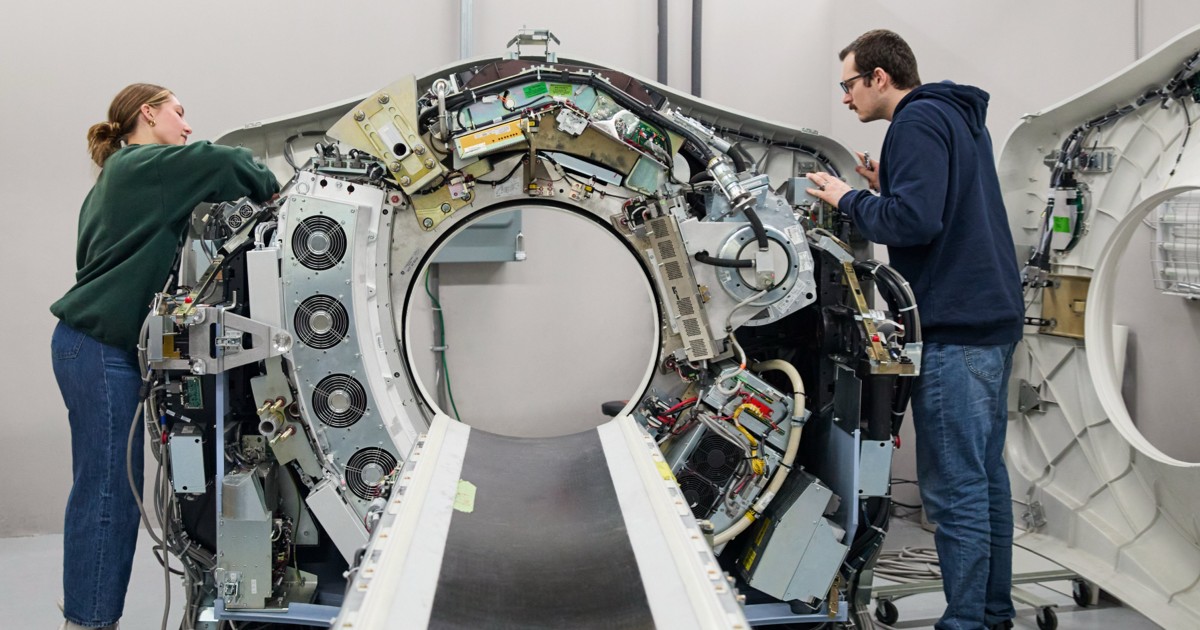
Apple’s Newsroom post spotlights the academy’s “largest event to date,” emphasizing how participating companies are applying program learnings to transform operations. One example Apple calls out is Block Imaging, a Michigan-based company that services and refurbishes medical imaging equipment like CT scanners and MRI machines. Forum attendees toured Block Imaging’s facility to see how the company applied Academy learnings to modernize processes and improve factory-floor efficiency.
Apple’s vice president of Product Operations, Priya Balasubramaniam, framed the Academy as a way to bring advanced manufacturing techniques to U.S. manufacturers, with an emphasis on practical applications that improve productivity and efficiency.
The bigger Apple platform read: “AI” isn’t only on-device
For Mac readers, “AI” conversations tend to orbit on-device workloads, developer frameworks, and Apple Silicon’s neural acceleration. Apple’s Manufacturing Academy update is a useful reminder that AI strategy also shows up in industrial operations: forecasting, quality control, logistics optimization, and factory workflow improvements. That’s ecosystem plumbing—unsexy, but foundational.
If Apple wants the Mac to keep gaining credibility as a serious gaming platform, the company needs more than great chips. It needs scale, reliability, and confidence across the ecosystem, including the parts users never see.
Source
Source: Apple Newsroom (May 5, 2026).
For the full announcement and additional details from Apple, visit the original Apple Newsroom post:
https://www.apple.com/newsroom/2026/05/apple-manufacturing-academy-accelerates-ai-use-in-us-supply-chains/





Comments
Sign in to join the conversation.
Log in to commentNo comments yet. Be the first to join the conversation.