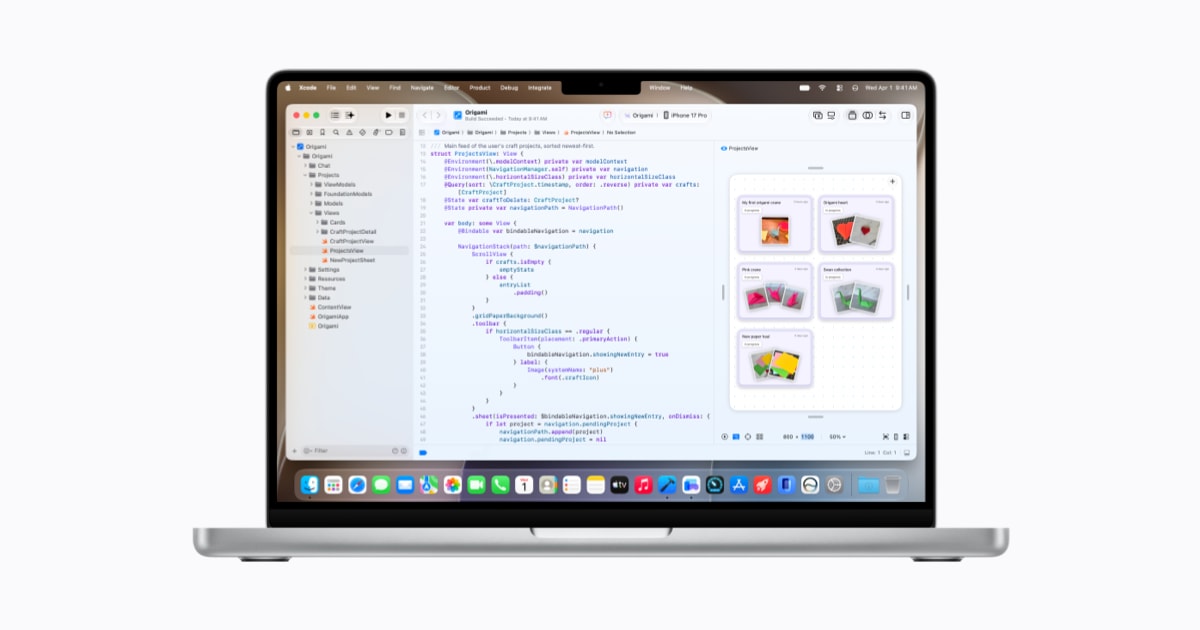

Apple doubles down on AI-powered development
Apple has announced a new set of intelligence frameworks, platform improvements, and major productivity updates for developers, headlined by expanded agentic coding features in Xcode 27. The company’s framing is broad — faster, more adaptive apps that are easier to build — but for Mac players and Mac game developers, the real story is about iteration speed, tooling quality, and how cleanly Apple’s ecosystem can support modern workflows.
This is especially relevant on Apple Silicon, where the promise has always been strong performance-per-watt paired with a unified platform stack. Better first-party developer tooling is one of the most direct levers Apple can pull to improve the Mac gaming pipeline without needing to announce a single exclusive title.
Why Mac gaming should care: iteration and integration
Even when an Apple announcement isn’t “about games,” it can still affect games. Studios and indie developers live and die by iteration time: prototyping mechanics, validating performance, testing UI flows, and shipping updates quickly. Apple’s message with Xcode 27 is that more of that work can be accelerated via built-in access to today’s leading models and agent-style workflows inside the tools developers already use.
For Mac game development, this kind of productivity gain isn’t glamorous, but it’s foundational. Faster iteration can mean quicker bug-fixing, more rapid balance passes, improved onboarding flows, and smoother platform-specific polish — the type of work that determines whether a Mac build feels like a first-class release or a late port.
Intelligence frameworks: one Swift API, more model options
Apple says its Foundation Models framework (introduced last year) is being expanded into a single native Swift API that supports more powerful on-device models, image input, support for server-side models, and the ability to build custom skills. The key takeaway for ecosystem watchers is flexibility: Apple is pitching a more unified way for developers to integrate AI features without committing to only one deployment model.
Apple also says developers can leverage models of their choice — naming Claude and Gemini — provided they implement Apple’s new language model protocol. For teams building companion apps, community tools, mod managers, player-support systems, QA helpers, or even game-adjacent creative utilities on macOS, easier model integration could reduce glue-code overhead and improve maintainability.
Siri AI and App Intents: more system-level discoverability
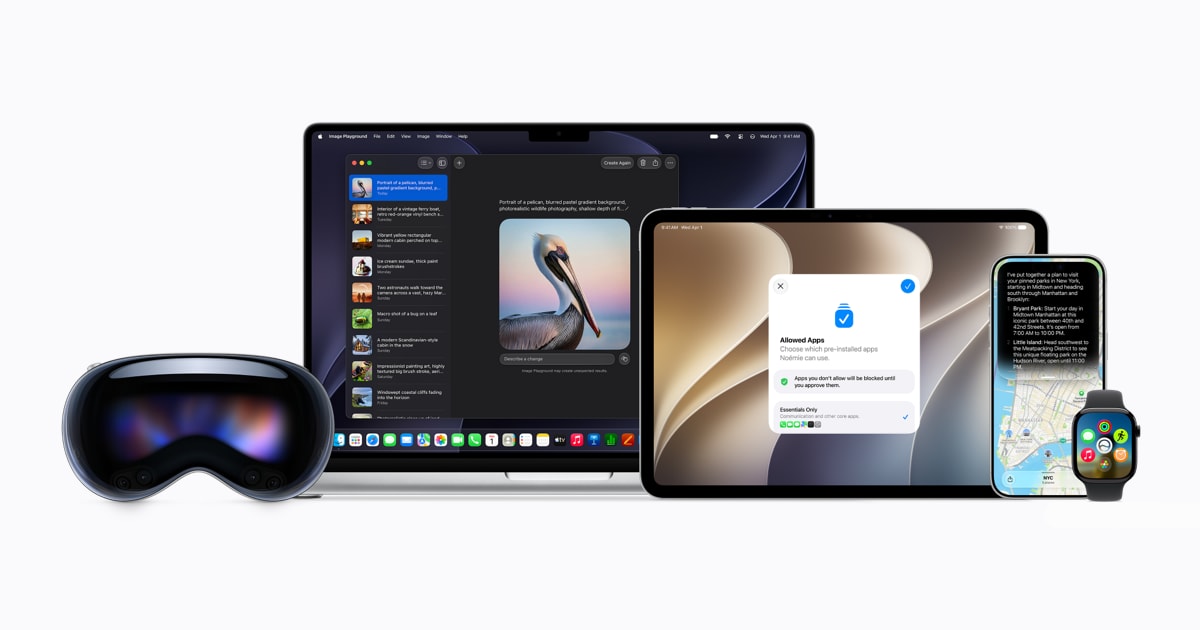
On the platform side, Apple highlights updates to App Intents that connect apps to Siri AI capabilities such as personal context understanding, app actions, and onscreen awareness. For Mac users, the practical question is whether these integrations become reliable and respectful of user intent — and whether third-party apps can feel more “native” within macOS workflows.
For gaming, this is less about in-game magic and more about ecosystem cohesion: launching into specific app states, surfacing relevant actions, and making utilities and services around games easier to reach. If Apple delivers a consistent experience across macOS and the broader Apple ecosystem, that can indirectly raise the baseline quality of gaming-related software on the Mac.
Access and economics: notable details for smaller teams
One of the more interesting nuggets is Apple’s statement that developers in the App Store Small Business Program (with fewer than 2 million total first-time App Store downloads) can access the next generation of Apple Foundation Models running on Private Cloud Compute at no cloud API cost. If it holds up in real-world usage, that cost relief could matter to smaller studios and indie developers who are already juggling art, audio, marketing, and platform support on limited budgets.
AI features aren’t mandatory for making a great Mac game, but cost predictability and first-party tooling support can influence whether smaller teams experiment — especially for support automation, localization workflows, or internal dev tools.
MacGaming.com take
This announcement won’t instantly change what you’re playing on your Mac this month. But it is part of the slow, structural work that determines how healthy Mac software development looks a year or two from now: better tools, more flexible APIs, and fewer barriers for teams trying to ship polished apps on Apple Silicon.
For Mac gaming specifically, the most important outcome to watch is whether these Xcode 27 productivity gains translate into faster turnaround on Mac builds, fewer platform-specific regressions, and stronger macOS-first utilities and services around games — the unsexy parts that still shape the day-to-day experience for players.
Source
Source: Apple Newsroom (Press Release), published June 8, 2026.
For Apple’s full details and developer-facing breakdown, read the original post on Apple Newsroom here: https://www.apple.com/newsroom/2026/06/apple-aids-app-development-with-new-intelligence-frameworks-and-advanced-tools/




Comments
Sign in to join the conversation.
Log in to commentNo comments yet. Be the first to join the conversation.