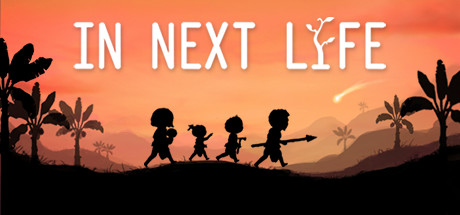

In Next Life is a crafting, survival, and civilization-building game where progress is measured in generations, not minutes. You don’t simply load into a world, build a base, and call it a day—each play session is a complete life. You’re born, you grow up, you contribute what you can, and you eventually die. Then the cycle continues, with the next life inheriting whatever your tribe managed to preserve.
A Survival Game Where Your Best Run Might End in Sacrifice
The core loop is deceptively simple: survive long enough to be useful, and be useful enough that your tribe survives without you. In many lives you begin as a baby, dependent on other players for food, safety, and guidance during your most vulnerable minutes. As you age into adulthood, responsibility flips—you may find yourself feeding children (other players), crafting critical tools, or organizing resources so the settlement can endure.
Death isn’t treated as failure so much as inevitability. The game embraces the idea that sometimes the best contribution you can make is risky: scouting for vital resources, hunting dangerous animals, or attempting a crucial invention that could pay off for everyone after you’re gone.
From Stone Age Beginnings to Emerging Technology
Every civilization starts at a primitive baseline. Early lives revolve around essential breakthroughs: making fire, weaving baskets, crafting spears, and learning how to reliably gather, prepare, and store food. These aren’t just checklists—they’re stepping stones that define how quickly your tribe stabilizes and whether it can expand beyond day-to-day desperation.
The crafting is designed around accumulation and legacy. Something as humble as a flint spear you invent in one life may become the difference between survival and collapse later, when your tribe needs consistent hunting success or protection to push into a new stage of development.
Collaboration Is a Massive Advantage (But Solo Play Exists)
In Next Life strongly rewards cooperation. A coordinated group can divide labor—some gathering, some crafting, some caring for children, some experimenting with new recipes and tools—making progress feel significantly faster and more secure. The game is playable solo, but it’s intentionally harder: you’ll have fewer hands to keep the settlement running while you explore, craft, and problem-solve.
Multiplayer also changes the emotional texture of survival. Feeding a child who later grows up to expand the village, or inheriting a thriving camp built by players who died before you arrived, gives the world a lived-in sense of continuity.
Thousands of Objects and a Long Early Access Runway
There are hundreds of objects to craft, collect, cook, and eat, and the developers have stated an intention to add at least 1,000 more items during Early Access. That matters for a generational game: more items typically means more specialization, more tech pathways, and more reasons for tribes to plan beyond immediate survival.
An “Immortal Spirit” Framing That Fits the Design
The game’s framing ties its mechanics together: you are an immortal spirit experiencing mortal lives to learn and grow. While your character dies, your broader experience accumulates across lives, helping you become more effective over time—whether that means crafting faster, making smarter choices, or knowing exactly what the settlement needs next.
Mac System Requirements
Minimum
- OS: High Sierra
- Processor: Dual core Intel i5 1.3GHz
- Memory: 4 GB RAM
- Graphics: 1.5 GB memory
- Network: Broadband Internet connection
- Storage: 1 GB available space
Recommended
- OS: Latest OSX version
- Processor: Quad core Intel i5 or better
- Memory: 4 GB RAM
- Graphics: 2.0 GB memory or better
- Network: Broadband Internet connection
- Storage: 1 GB available space
Why It Belongs on a Mac Gamer’s Radar
If you like survival crafting but want something that feels less like a solitary checklist and more like a shared history, In Next Life leans hard into that fantasy. The lifetime structure creates natural stories—being raised by strangers, growing into a specialist, leaving behind key tools, and watching a tribe’s capabilities compound across generations. It’s survival with perspective: your success is measured by what the next life inherits.





Comments
Sign in to join the conversation.
Log in to commentNo comments yet. Be the first to join the conversation.