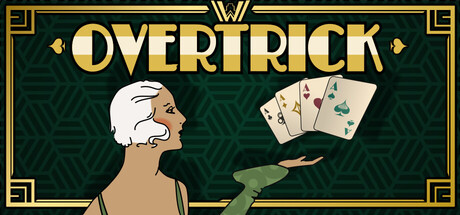

Overtrick takes the familiar language of classic trick-taking—choose trumps, follow suit, win tricks, and meet your bid—and rebuilds it into a modern, replayable deckbuilding strategy game. If you grew up on (or fell in love with) games like Bridge, Spades, Hearts, or Euchre, you’ll instantly recognize the cadence of a hand. The twist is that between hands you’re not just adjusting your approach—you’re upgrading your capabilities with special abilities that can bend the rules and turn tight contracts into dramatic wins.
Trick-taking fundamentals, sharpened into a campaign climb
At its core, Overtrick is about control: reading the table, managing suit distribution, timing your high cards, and knowing when to concede a trick to set up the next one. Each hand asks you to win enough tricks to satisfy your contract, and as you advance, the pressure rises—more tricks required, less room for error, and more need to plan ahead instead of simply reacting.
This structure gives the game its momentum. You’re not playing a single casual deal; you’re trying to string together success, hand after hand, as the demands escalate.
Deckbuilding, but for your “table powers”
Where Overtrick sets itself apart is how it layers deckbuilding progression onto trick-taking. Instead of only relying on perfect play with a standard ruleset, you’ll acquire special abilities that change what “perfect play” even means. These upgrades can manipulate card flow, reward specific suits, or disrupt opponents at exactly the wrong time for them.
Examples of abilities you can build around include:
- Honor Code — Steer the flow of a hand by forcing opponents to play face cards.
- Treasure Hoarder — Lean into Diamonds, hoarding them to trigger trick bonuses.
- Bridge Overlord — Apply pressure by forcing opponents to hand over their highest card.
The result is a satisfying loop: your understanding of trick-taking gets you through the early hands, then your growing set of powers lets you attempt bigger contracts, chase higher ceilings, and survive opponents who aren’t playing “fair” either.
Ruff, flush, and the temptation of the overtrick
Meeting your contract is the baseline. Overtrick’s real spice comes from what happens when you go beyond it. Every overtrick—each trick taken above your bid—can translate into additional rewards and access to stronger abilities. That creates a delicious tension: do you play conservatively to lock in the contract, or do you push your luck to snowball your build?
That risk/reward edge is what keeps hands from feeling solved. Even when you’re ahead, you’re constantly deciding whether to cash out safely or press for extra value.
Style and setting: high society, higher stakes
Overtrick wraps its mechanics in a glamorous Roaring ’20s theme—gilded penthouses, status games, and the sense that every hand is a performance. You’re not just trying to win; you’re trying to dazzle high society while fending off rivals who have their own bag of tricks. The vibe supports the design well: confident play is rewarded, but arrogance gets punished.
This isn’t your grandma’s Bridge club… this is Overtrick.
Who it’s for on Mac
Overtrick is an easy recommendation for Mac players who like:
- Traditional trick-taking (bidding/contract tension, trump control, suit management)
- Deckbuilders and roguelites (build progression, synergy hunting, snowball potential)
- High-agency strategy where small decisions compound over multiple hands
If you’re new to trick-taking, expect a learning curve—but also a rewarding one. The better you get at reading hands and planning trick flow, the more the deckbuilding layer opens up.
Mac system requirements
Minimum
- OS: macOS 10.14+
- Processor: Apple M1 or Intel Core M
- Memory: 2 GB RAM
- Graphics: Any integrated GPU
- Storage: 500 MB available space
Recommended
- Recommended specs: Not listed
Bottom line
Overtrick is a clever, stylish hybrid that treats trick-taking with respect while pushing it into fresh territory. The contract-and-overtrick scoring pressure keeps each hand tense, and the ability-driven deckbuilding gives you that “one more run” pull as you chase stronger synergies and bigger bids. For Mac gamers who want card strategy with both heritage and bite, this is a table worth sitting down at.




Comments
Sign in to join the conversation.
Log in to commentNo comments yet. Be the first to join the conversation.