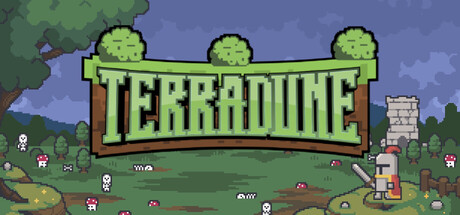

Terradune on Mac: an action RPG built around playstyle-changing upgrades
Terradune is a hand-drawn, top-down 2D action RPG that puts buildcrafting front and center. Instead of treating upgrades as simple stat bumps, it’s built around Abilities you actively use in combat and Augments that can fundamentally change what those Abilities do.
The result is a game where your choices reshape your moment-to-moment decision making: turning attacks into traps, retooling damage skills into defensive tools, layering crowd control into your kit, or assembling synergies that make encounters play out differently from one build to the next.
Abilities + Augments: buildcrafting that changes behavior, not just numbers
The core hook in Terradune is the relationship between Abilities and Augments. An Augment can modify:
- Where an attack lands
- What happens on impact (damage, debuffs, control, protection)
- The role of the skill in your build (offense, defense, utility, setup)
This system encourages experimentation. Instead of being locked into “this is my damage button,” you’re nudged to ask: should this Ability be a setup tool? A zoning tool? A panic defensive option? A boss-specific answer?
Examples of the kinds of build directions Terradune supports
- Crowd control: prioritize space control and safer engagements by converting or enhancing skills to slow, trap, or disrupt enemies.
- Burst damage: focus on high-commit windows where you create an opening and unload.
- Defense and survivability: turn parts of your kit into protection tools so you can stay in the fight longer.
- Utility-focused loadouts: lean into debuffs, control, and flexible answers for different threats.
Real-time combat that rewards reading patterns
Terradune’s fights play out in real time, with an emphasis on positioning and timing. You’ll be reading enemy patterns, choosing when to commit, and adapting your loadout to whatever the game throws at you—whether that means switching up your approach for a region’s enemy types or tailoring your kit for a boss.
Combat supports mixing different styles of pressure: melee attacks, ranged options, and magic utility. The Augment system makes that mix feel personal, because your version of a skill can function differently from someone else’s depending on how you’ve modified it.
Explore regions, chase side paths, and piece together the world
Outside of combat, Terradune leans into exploration across distinct environments—forests, deserts, ruins, and hidden paths. It isn’t just about moving from objective to objective: you’re encouraged to deviate from the main route for loot, upgrades, and quest progress, while uncovering clues about what happened to the world.
Dungeons and bosses: where builds get tested
Dungeons in Terradune promise tougher encounters and traps, culminating in boss fights that guard valuable rewards. Progress is framed around three pillars:
- The tools you find (loot and upgrades that expand your options)
- The build you create (your chosen Abilities and Augments)
- How well you use it (execution in real-time combat)
If you enjoy games where bosses force you to rethink your approach—rather than simply grind bigger stats—Terradune’s “adjust your loadout for different enemies and bosses” design goal should land well.
Make the build yours
Terradune’s pitch is simple: choose Abilities, modify them with Augments, and collect loot that opens new possibilities. The focus is on changing how combat feels—how you control space, create openings, and manage threats—rather than only scaling damage numbers upward.
Mac system requirements
Minimum
Minimum:
- OS: macOS 11.0 or later
- Processor: Intel Core i5
- Memory: 4 GB RAM
- Graphics: Metal-capable graphics
- Storage: 1 GB available space
Recommended
Recommended:
Why Terradune belongs on your Mac wishlist
For Mac players who like action RPGs with experimentation and meaningful build decisions, Terradune’s Ability-and-Augment foundation looks tailor-made for replayability. If you’re the type to tinker—turning a reliable attack into a trap, swapping in defensive utility for a boss, or building around control instead of raw damage—this is one to watch.



Comments
Sign in to join the conversation.
Log in to commentNo comments yet. Be the first to join the conversation.