

A Mac Studio refresh that matters even if you never open Xcode
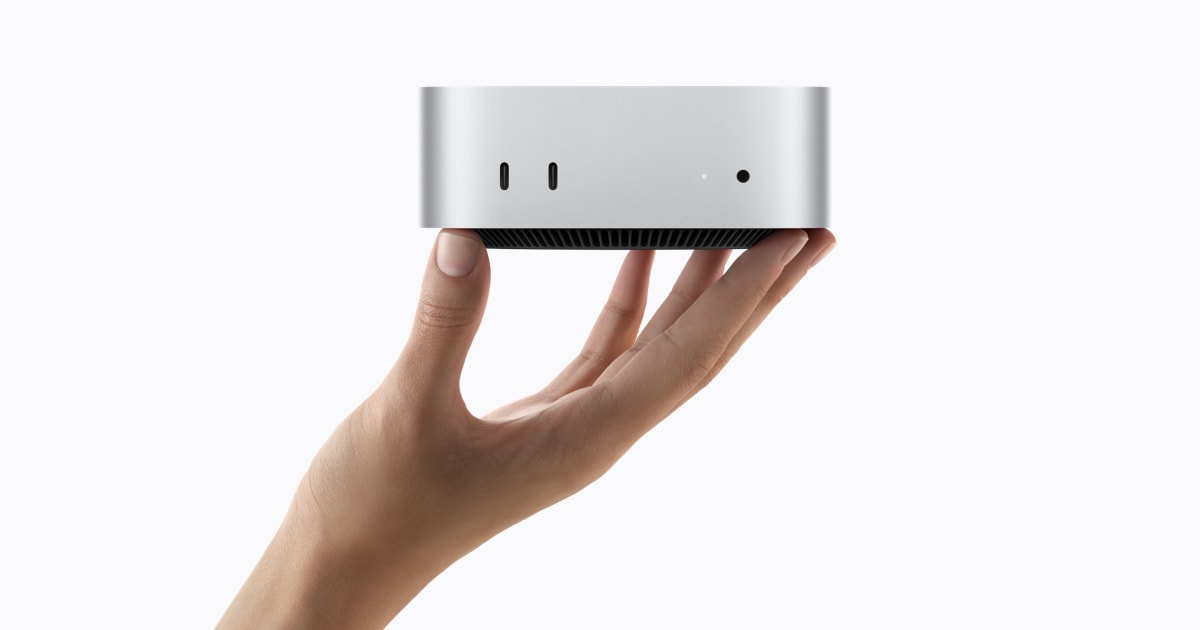
Apple used an Apple Newsroom press release to unveil a new Mac Studio, now configurable with M5 Max or the all-new M5 Ultra. The headline feature is a major jump in local AI capability, alongside faster graphics, higher memory bandwidth, and updated connectivity—all in the same small, desk-friendly box Mac Studio is known for.
For MacGaming.com readers, this isn’t a “new AAA titles incoming” moment. But it is an important data point in Apple’s ongoing Apple Silicon roadmap: where GPU compute is headed, how unified memory scales, and what kinds of developer and creator machines will be common targets over the next few years.
M5 Max vs. M5 Ultra: the configurations Apple is steering toward
According to Apple, Mac Studio with M5 Max includes an 18-core CPU, an up-to-40-core GPU, and up to 128GB of unified memory. The new M5 Ultra scales to a 36-core CPU, up to an 80-core GPU, and up to 512GB of unified memory.
The gaming angle here is indirect but real: Apple continues to tie performance, graphics, and AI to the same unified memory pool. That matters for modern engines and content pipelines where textures, geometry, shaders, and ML-assisted features compete for memory headroom. Whether you’re building a game, running asset builds, or iterating on large scenes, the ceiling and bandwidth of unified memory can be as limiting as raw GPU throughput.
“On-device AI” as a platform pillar (and why developers should pay attention)
Apple is positioning this Mac Studio generation as the “ultimate desktop for on-device AI,” calling out up to 4.3x faster AI performance and the ability—at the M5 Ultra tier—to run extremely large models locally thanks to the 512GB unified memory option. Apple also emphasizes Neural Accelerators integrated into GPU cores.
From an ecosystem standpoint, that’s a clear signal: Apple expects more workflows (and more apps) to lean on local inference, not just cloud APIs. For game studios and toolmakers on macOS, the relevance is mostly around production and tooling: faster offline tasks, smarter content workflows, and local assistants that can run without shipping data off-machine. Whether those investments translate into shipped game features is a separate question—but the hardware direction is becoming unambiguous.
Thunderbolt 5, Wi‑Fi 7, and the “serious desktop” connectivity story
Apple says Wi‑Fi 7 and Bluetooth 6 are coming to Mac Studio for the first time, and highlights Thunderbolt 5 as a core part of the machine’s pro positioning. For developers and power users, that tends to translate to more practical wins than benchmark charts: faster external storage, more capable docks, and better support for multi-device workflows.
Apple also calls out clustering multiple Mac Studio systems via Thunderbolt 5 for distributed AI inference. That’s not a consumer gaming feature, but it does underline Apple’s broader push to make Mac hardware more attractive for labs, studios, and teams experimenting with compute-heavy workloads on macOS.
What this does (and doesn’t) mean for Mac gaming right now
Apple’s announcement doesn’t include gaming-specific claims, new Metal features, or developer-facing game tech updates in the portion of the release provided. So the responsible takeaway is platform-oriented: Mac Studio is being tuned as a high-end Apple Silicon target with more GPU scale, more unified memory headroom, and faster I/O—exactly the kinds of capabilities that can make macOS a more comfortable place to build and ship larger projects over time.
Still, for most players, Mac Studio remains a premium desktop. The bigger immediate impact is likely on developers, creators, and technical users who influence the Mac ecosystem: those building assets, compiling large projects, training or running models locally, and stress-testing what Apple Silicon can do when the knobs are turned all the way up.
Availability
Apple says the new Mac Studio is available for pre-order now, with availability beginning September 22.
Source
Source: Apple Newsroom (Press Release), published August 25, 2026.
Read the full announcement at Apple Newsroom:
https://www.apple.com/newsroom/2026/08/apple-introduces-new-mac-studio-with-m5-max-and-m5-ultra/




Comments
Sign in to join the conversation.
Log in to commentNo comments yet. Be the first to join the conversation.