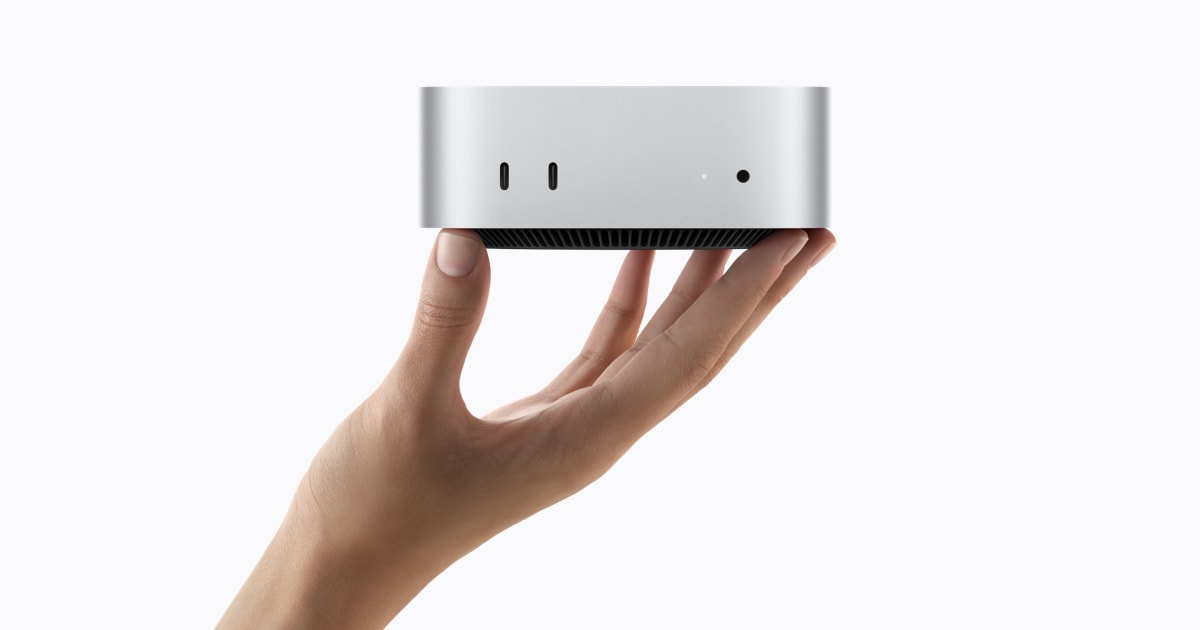

A small Mac that matters to gaming workflows
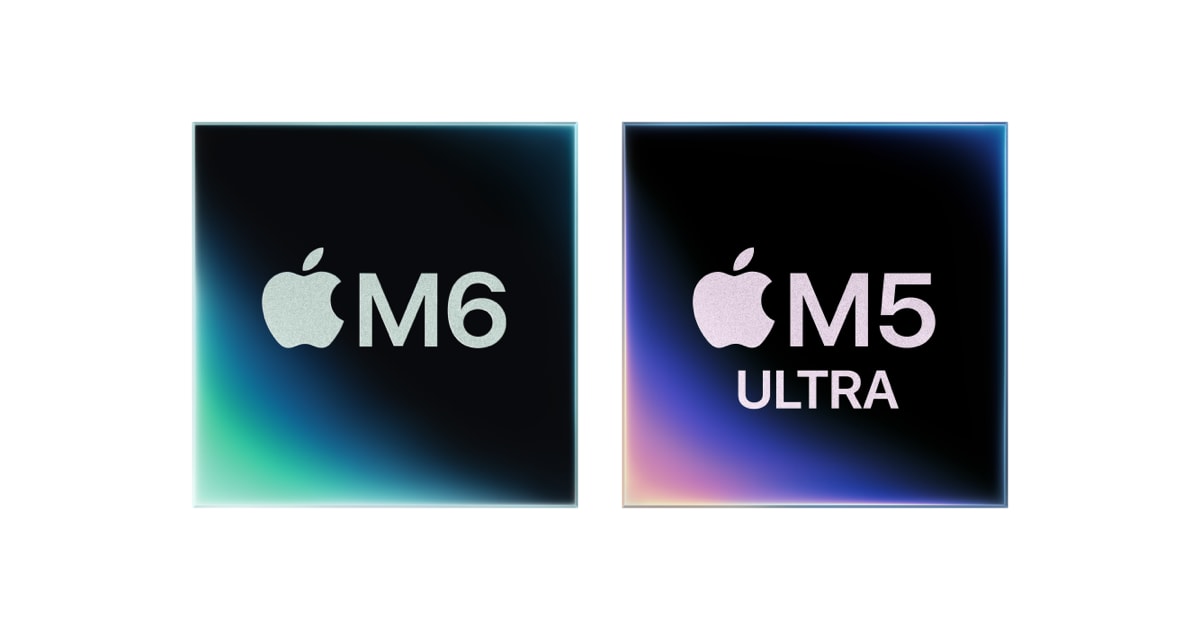
Apple has unveiled a new Mac mini built around two different Apple Silicon tracks: the all-new M6 for mainstream buyers and the M5 Pro for heavier workloads. While Apple’s Newsroom announcement is positioned around “agentic computing” and Apple Intelligence, the practical story for MacGaming.com readers is simpler: more CPU/GPU headroom, more capable on-device AI acceleration, and better I/O in a tiny desktop that’s easy to dedicate to gaming, development, and testing.
Mac mini has long been the “plug it into whatever you already own” Mac: bring your own monitor, keyboard, controller, capture gear, and network. That makes it a natural candidate for a living-room Mac, a desk-side always-on box, or a build/test node for studios targeting macOS.
M6: faster CPU/GPU, and a new focus on AI acceleration
According to Apple, Mac mini with M6 delivers up to 4x faster AI performance, up to 2x faster graphics and storage, and a 40 percent faster CPU versus the prior generation referenced in the release. Apple also highlights a 12-core CPU and 12-core GPU on M6, and notes that the GPU now includes “Neural Accelerators in each core” for the first time on Mac mini.
For games and real-time apps, raw GPU throughput and memory bandwidth still matter most, but the AI angle is increasingly relevant for tooling and runtime features. Even if your game doesn’t ship an on-device model, developers are already using local models for code assistance, content iteration, localization drafts, build scripting, and asset pipeline automation. A faster local inference box can reduce dependence on cloud services (and can be easier to keep private/offline for certain projects).
M5 Pro: the compact ‘serious work’ option
Apple positions Mac mini with M5 Pro as the model for demanding projects like video production and game development, calling out configurations “up to an 18-core CPU and 20-core GPU.” For Mac game developers, that maps neatly onto the pain points we see every release cycle: shader compile time, asset cooking, packaging, and multi-config builds. The M5 Pro option won’t magically fix platform limitations, but it should help brute-force the parts of the workflow that scale with CPU cores and sustained performance.
Connectivity upgrades that actually affect gaming setups
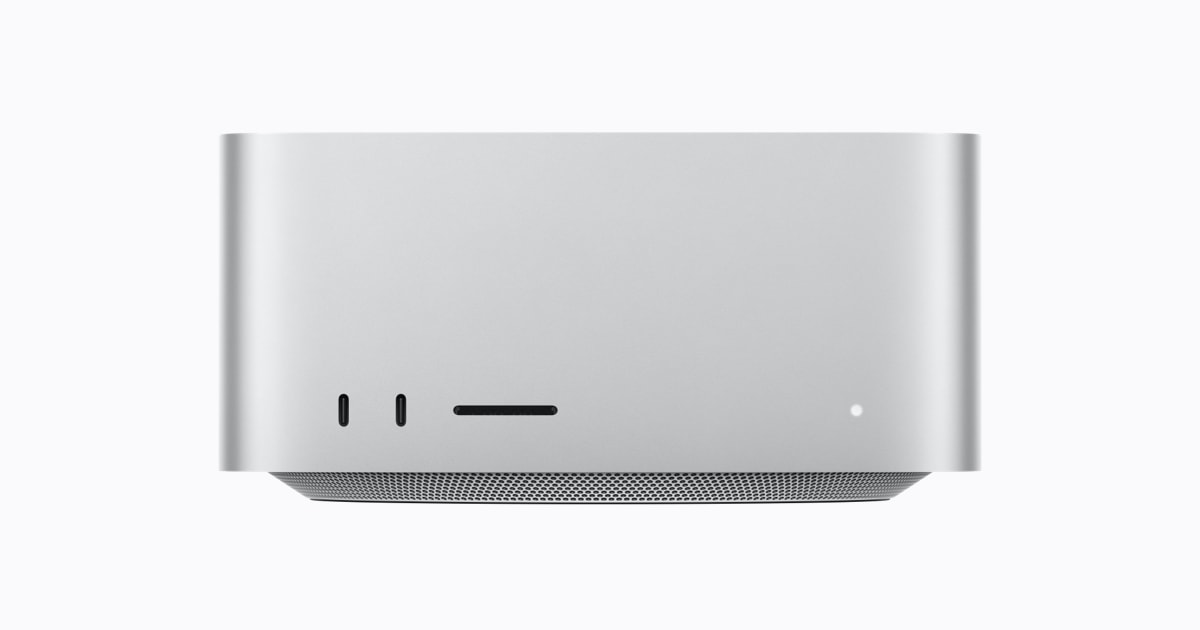
Both models include Wi‑Fi 7 and Bluetooth 6, plus upgraded 2.5Gb Ethernet with an optional 10Gb upgrade. Those are boring on a spec sheet, but useful in real setups: lower-latency wireless environments, more headroom for LAN transfers of big builds, faster network storage access, and more reliable controller/headset connectivity in crowded RF spaces.
For anyone using a Mac mini as a dedicated “games and streaming” box, faster wired networking can also help with remote play scenarios, game downloads, and moving capture files around a home studio.
macOS 27 and Apple Intelligence: what to watch as a platform
Apple ties the new Mac mini to macOS 27 and “the next generation of Apple Intelligence,” including Siri AI. For gaming and developer communities, the key question is less about marketing and more about platform stability and APIs: how Apple continues to evolve Metal, game porting tooling, background task behavior, input device support, and GPU debugging/profiling workflows. If Apple is serious about always-on “agentic” use cases, we also want to see how that intersects with thermal behavior, sustained performance, and system-level scheduling on desktops that may be compiling, rendering, and running tests for hours at a time.
Release timing
Apple says the new Mac mini is available to pre-order now, with availability beginning September 22.
Source and where to read more
Source: Apple Newsroom (Press Release), published August 25, 2026.
For Apple’s full announcement and detailed claims, read the original post on Apple Newsroom here: Apple unveils a more powerful Mac mini featuring the all-new M6 and M5 Pro.



Comments
Sign in to join the conversation.
Log in to commentNo comments yet. Be the first to join the conversation.