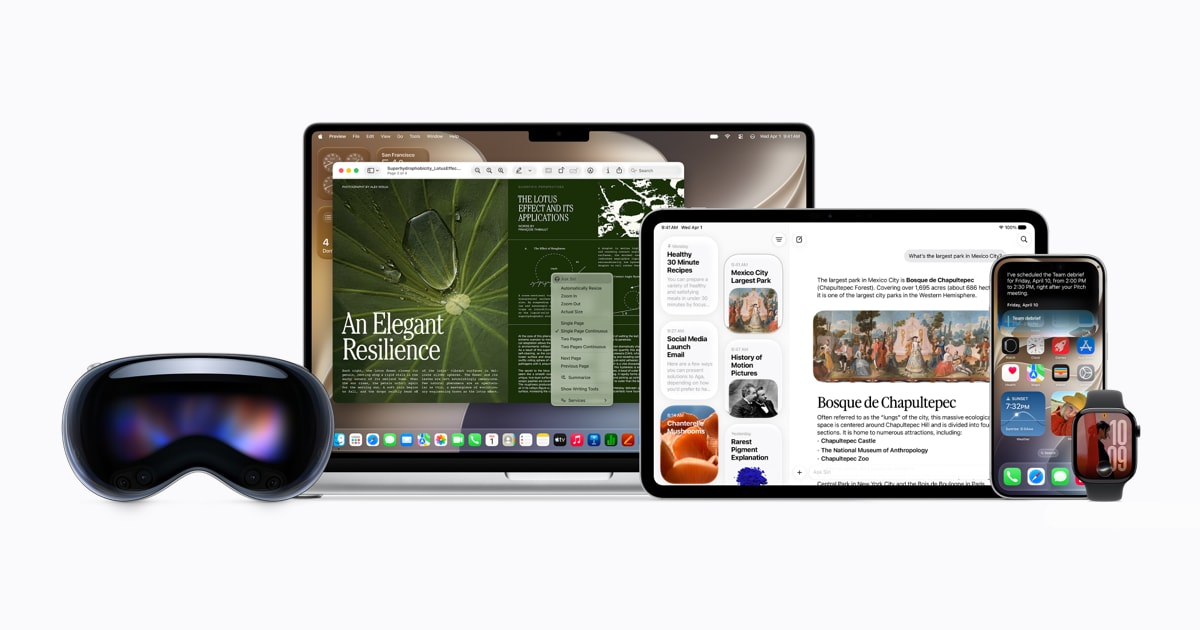

Apple’s next Siri is here — and it’s a platform story first
Apple has announced Siri AI, describing it as an entirely new version of Siri powered by Apple Intelligence. According to Apple, the assistant is designed to be “profoundly more capable and conversational,” with three headline capabilities: personal context understanding, onscreen awareness, and broad world knowledge for up-to-date answers.
This isn’t a gaming feature drop in the usual sense—no frame-rate charts, no new Metal showcase, no surprise studio acquisition. But for Mac owners (and especially Apple Silicon users who increasingly live inside tightly integrated Apple workflows), this kind of OS-level assistant upgrade can quietly reshape how people discover, launch, configure, and troubleshoot apps—including games.
Source: Apple Newsroom press release (June 8, 2026).
What Apple says Siri AI can do
Apple’s pitch is that Siri AI can help users find what they need “in the moment,” pulling from multiple places depending on the request:
1) World knowledge (web answers): Siri AI can answer questions “from the web on virtually any topic,” generating a helpful response rather than forcing users to hunt through links.
2) Personal context: Siri AI can surface relevant details from a user’s messages, emails, photos, and more—context that is often where real life (and real schedules) live.
3) Onscreen awareness: Siri AI can respond to what’s currently on your screen, allowing follow-up questions and actions that are grounded in what you’re looking at right now.
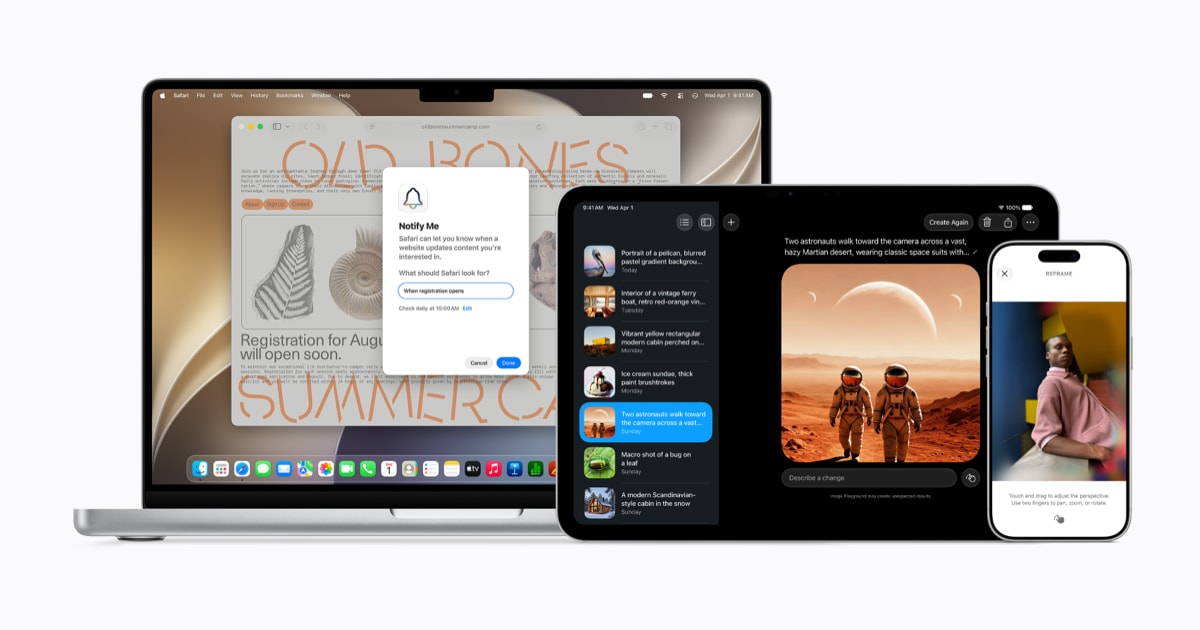
Apple also says Siri AI includes a dedicated app for revisiting conversations across products, an expanded Visual Intelligence experience, and integrated writing tools. The company notes the new Siri is deeply integrated across products and built on an architecture “uniquely designed to protect users’ privacy.”
Why Mac and Apple Silicon users should care
For the Mac ecosystem, the key takeaway is less about Siri as a voice assistant and more about Apple continuing to move intelligence deeper into the OS and cross-app layer. If Siri AI is genuinely better at understanding context and acting across apps, it has the potential to make the Mac feel more cohesive for everyday tasks that orbit gaming and creative play:
Faster setup and troubleshooting: Onscreen awareness plus conversational follow-ups could make it easier to resolve common friction points (permissions prompts, controller setup, display refresh settings, storage management) without bouncing between settings panes and web searches.
Library and launcher friction reduction: Mac gamers frequently juggle multiple storefronts, launchers, and installs. A system assistant that can interpret “what’s on screen” and pull “personal context” could help users find the right receipt, download link, or patch notes—without pretending the Mac has solved launcher sprawl.
Cross-device continuity: Apple is positioning Siri AI as integrated “across products,” and that matters if your Mac gaming life spans iPhone notifications, iPad second-screen use, AirPods, and Apple TV in the same household. A consistent assistant layer could reduce the mental load of switching devices, even if the actual games still live in different places.
Developer implications: another systemwide capability to account for
Apple says these Siri AI features are available for developer testing starting today and will roll out as a user beta later this year. For developers, that timeline signals an important shift: Siri is no longer just a voice command surface—it’s being framed as a systemwide reasoning and action layer that can reference app content, user context, and the web.
That raises practical questions Mac developers (including game studios and toolmakers) will be watching:
How onscreen awareness works in practice: If Siri AI can understand what’s on screen, developers will want clarity on what is captured, how privacy boundaries are enforced, and what (if any) opt-ins, entitlements, or UI best practices are required.
What “actions across apps” really means: Apple is emphasizing that Siri AI can help users take action across apps more naturally. The details will matter—especially for third-party apps that want to expose safe, predictable actions without leaking sensitive data.
Performance and on-device constraints: Apple Silicon has been steadily positioned as an on-device AI platform. Developers will be watching where Siri AI runs (device vs. server), how latency feels on different Macs, and how this interacts with battery and thermal headroom on laptops.
What this is not (yet): a gaming feature announcement
To be clear, Apple’s Siri AI press release doesn’t announce new gaming APIs, new GPU features, or a gaming-specific initiative. But MacGaming.com readers should still treat this as a meaningful ecosystem update: Apple is continuing to build a foundation where OS-level intelligence can mediate discovery, support, and workflows across apps.
If Apple executes well, this could indirectly improve the day-to-day experience of owning and using a Mac for gaming—particularly in the “everything around the game” layer where macOS users still spend a lot of time.
Availability
Apple says Siri AI’s features are available for developer testing now, with a public beta planned for later this year.
Read the original announcement
Apple’s full press release is available on Apple Newsroom: Apple introduces Siri AI, a profoundly more capable and personal assistant.


Comments
Sign in to join the conversation.
Log in to commentNo comments yet. Be the first to join the conversation.