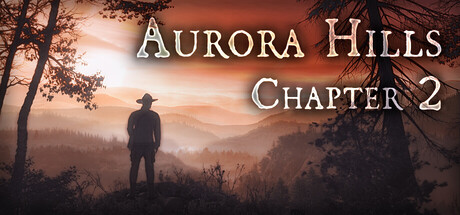

A Small Town’s Silence, A National Park’s Secrets
Aurora Hills: Chapter 2 returns to the series’ moody take on Appalachian folklore and small-town dread, set on the morning of October 6, 1981. You play Ethan Hill, a veteran park ranger whose routine has been ground down by weeks of disappearances around the once-tranquil mountain community of Aurora Hills. The roads are familiar, but the town feels hollowed out—dilapidated, wary, and saturated with the kind of quiet that suggests people are staying indoors for a reason.
This second chapter quickly pivots from uneasy normalcy into urgency. Jen—the only other ranger and your closest ally in the investigation—never makes it back to the ranger station. She headed out early, following leads along trails that have since been closed off, leaving behind a breadcrumb path of notes. When you finally reach her camp, the scene is unmistakably wrong: ransacked gear, torn shelter, and no sign of Jen. With daylight slipping away and the forest turning from unsettling to dangerous the moment night falls, Ethan is forced to press forward instead of retreat.
What Kind of Game Is It?
Developed by the creators of Meridian 157, Aurora Hills: Chapter 2 is a narrative-driven point-and-click puzzle adventure. The format is built around exploration, item discovery, environmental observation, and layered riddles that gradually reveal more about the region’s history and the forces behind the disappearances.
Chapter 2 is designed to feel like a continuation rather than a restart. The stakes are personal (Jen is missing), the timeline is immediate (midday sliding toward early sunset), and the setting expands into “uncharted” park territory—areas locals have already turned into urban legends to explain what they can’t understand.
Atmosphere First: Sound, Setting, and Tension
The series leans hard into atmosphere, and Chapter 2 doubles down with a custom soundtrack and sound effects tuned for creeping tension rather than jump scares. The best moments in games like this come when you’re not sure whether you’re hearing “set dressing” or a clue—an audio cue that suggests you should stop clicking and start paying attention. If you enjoy mystery adventures where the environment feels like an active participant, Aurora Hills’ sound design is a major part of the appeal.
Puzzles: Clever, Challenging, and (Mostly) Fair
Expect puzzles that reward careful note-taking and methodical play: codes, patterns, object interactions, and multi-step sequences where one discovery reframes something you dismissed earlier. The game advertises challenging and clever puzzles, and that’s the core of the experience—progress is earned through observation, experimentation, and connecting details across locations.
For players who like a nudge without a full solution, Chapter 2 includes a logical hint system aimed at the tougher riddles. The best hint systems preserve the satisfaction of solving something yourself while preventing hard stalls, and Aurora Hills positions its hints as guidance rather than a skip button.
Accessibility and Languages
A standout addition is the new color blind mode, specifically useful in puzzle adventures where color-coded logic can become a hard gate. Even when color is “technically optional,” many games still rely on it in practice—so it’s good to see this addressed directly.
Chapter 2 also supports 9 languages: English, French, Russian, German, Chinese (Simplified), Spanish, Portuguese, Italian, and Japanese. For a story-forward title, broad language support matters, especially when clues and note-reading are central to progress.
How It Plays on Mac
From the listed requirements, Aurora Hills: Chapter 2 is positioned as a lightweight game by modern standards. It targets older macOS versions and modest hardware, including integrated graphics, which is good news for Mac players on a wide range of machines.
Mac System Requirements
Minimum
OS: macOS 10.12
Processor: Apple M1 or Intel Core M
Memory: 2 GB RAM
Graphics: Integrated GFX Card
Storage: 2 GB available space
Additional Notes: Installing the game on an SSD/M.2 drive is highly recommended
Recommended
OS: macOS 10.12
Processor: Apple M1 or Intel Core M
Memory: 2 GB RAM
Graphics: Integrated GFX Card
Storage: 2 GB available space
Additional Notes: Installing the game on an SSD/M.2 drive is highly recommended
Who Should Play It?
- Fans of point-and-click puzzle adventures that emphasize note-taking and environmental detail.
- Players who like slow-burn horror and mystery rooted in place, history, and local legend.
- Anyone who enjoyed Meridian 157 and wants a similarly structured puzzle mystery with a different tone.
The Hook: One More Mile Before Dark
Chapter 2’s premise is simple and effective: a missing colleague, a trashed campsite, and a dwindling window of daylight that forces you deeper into a landscape people have already mythologized out of fear. If Chapter 1 set the stage, Aurora Hills: Chapter 2 is the push beyond the boundaries—into the trails that were closed for a reason, and toward the answers Aurora Hills has been trying to bury.



Comments
Sign in to join the conversation.
Log in to commentNo comments yet. Be the first to join the conversation.