

Gorotsuki Paradise: a PvP card game where the deck is part of the match
Gorotsuki Paradise is a competitive card game built around an idea that immediately changes how you think about “deckbuilding”: you aren’t just bringing a list into a match—you’re actively shaping and powering up your deck during the match. Instead of long pre-game tuning, the tension comes from making the best of what you draw, targeting lane rewards, and timing swaps to find the right tools at the right moment.
With 150+ unique gorotsuki cards to collect, the game leans into variety and discovery, encouraging you to learn card effects over time and develop instincts for when to push for a lane reward versus when to play for overall power and round points.

How matches work: lanes, rewards, and showdowns
Each match is structured around rounds and a repeating “play cards until empty hands, then resolve” cadence.
1) The opening deal
When a match begins, each player is dealt 3 Class D cards and Round 1 starts. Turns alternate as you drag and drop cards onto the field.
2) Reward Cards and lane decisions
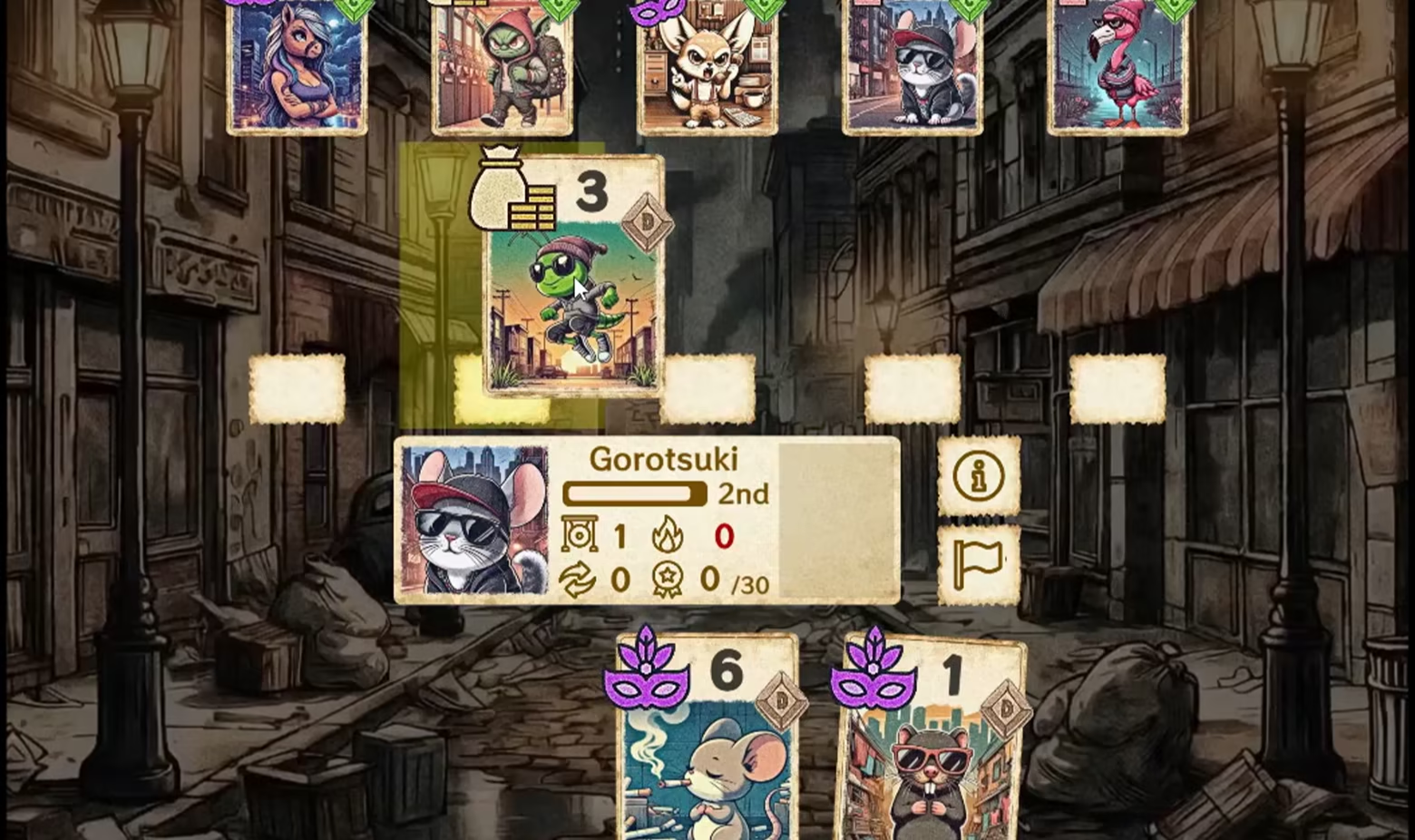
Reward Cards appear on the field, and they’re the key to the board’s push-and-pull. If you want a specific reward, you’ll need to commit your plays into that same lane. Each lane allows up to 2 cards, so placement matters: you can’t simply dump everything into one track without hitting limits.
3) Reading cards: Power, Type, Class (and effects)
Click any card to view its details. Cards feature a Power value along with Type and Class, and many include special effects. The game expects you to learn these interactions by playing—part of the appeal is gradually recognizing patterns and threats as your collection and experience grow.
4) Showdown resolution: lane wins + round points
Once both players have played all cards and both hands are empty, a showdown triggers:
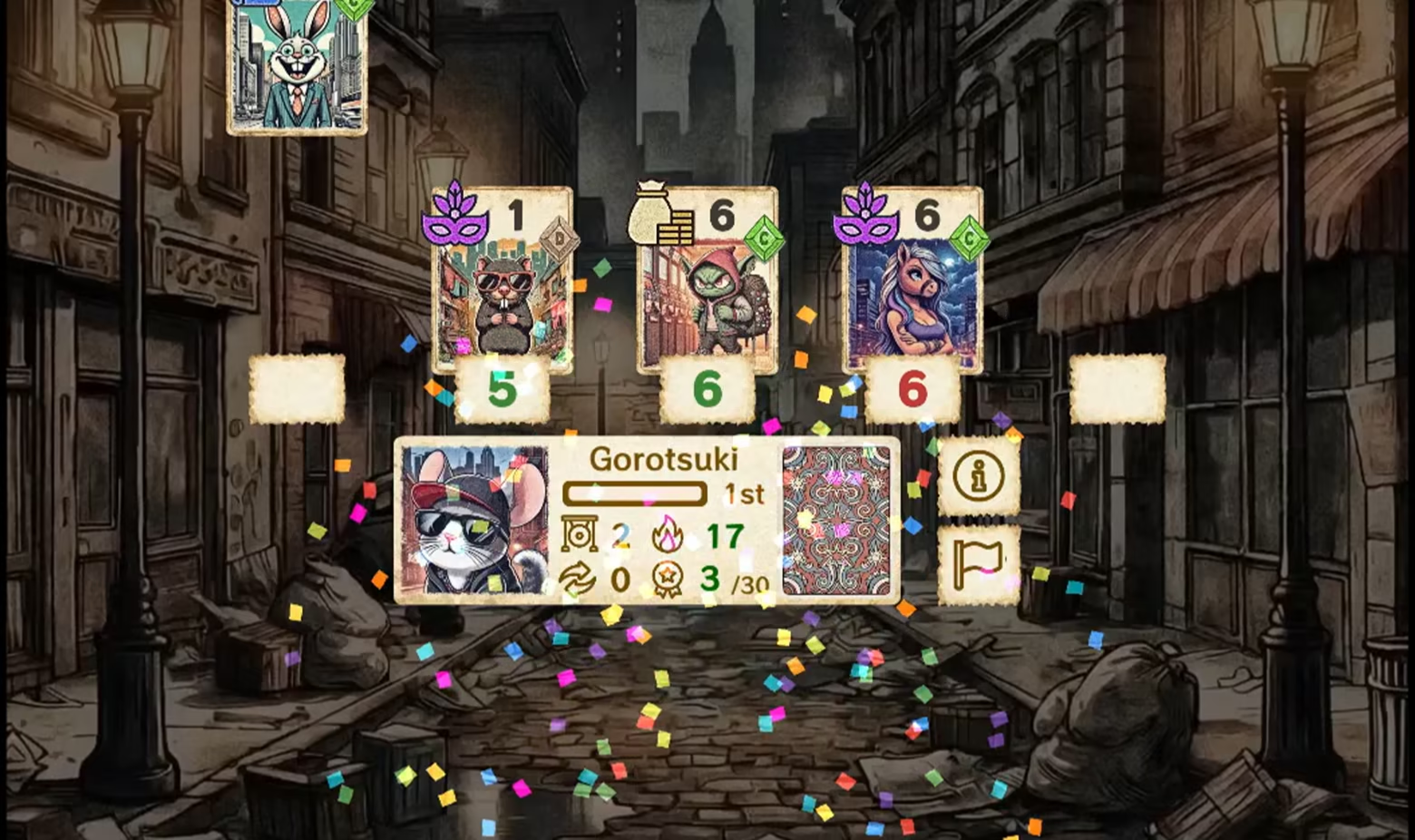
- The player with the higher total Power in a lane wins that lane’s Reward Card.
- The player with the higher total Power across the entire field gains points equal to the current round number.
- In a tie, the first player has priority.
5) Reset, redraw, and the tempo swing
After a showdown, the round advances. All cards on the field return to their owners’ decks, and each player draws 3 random cards from their deck. Importantly, turn order then switches, which helps prevent one player from snowballing purely off initiative.
Swap Tokens: your mid-match deck control
Before playing cards, you can spend a Swap Token to cycle a card:
- Drag a card from your hand onto your deck to place it on the bottom.
- Draw the top card of your deck.
You gain 1 Swap Token at the start of each round, and you can bank them for later. This creates a clean strategic layer: do you fix your hand now to contest a specific reward lane, or hoard tokens to dig hard for a decisive turn later?
Winning the match
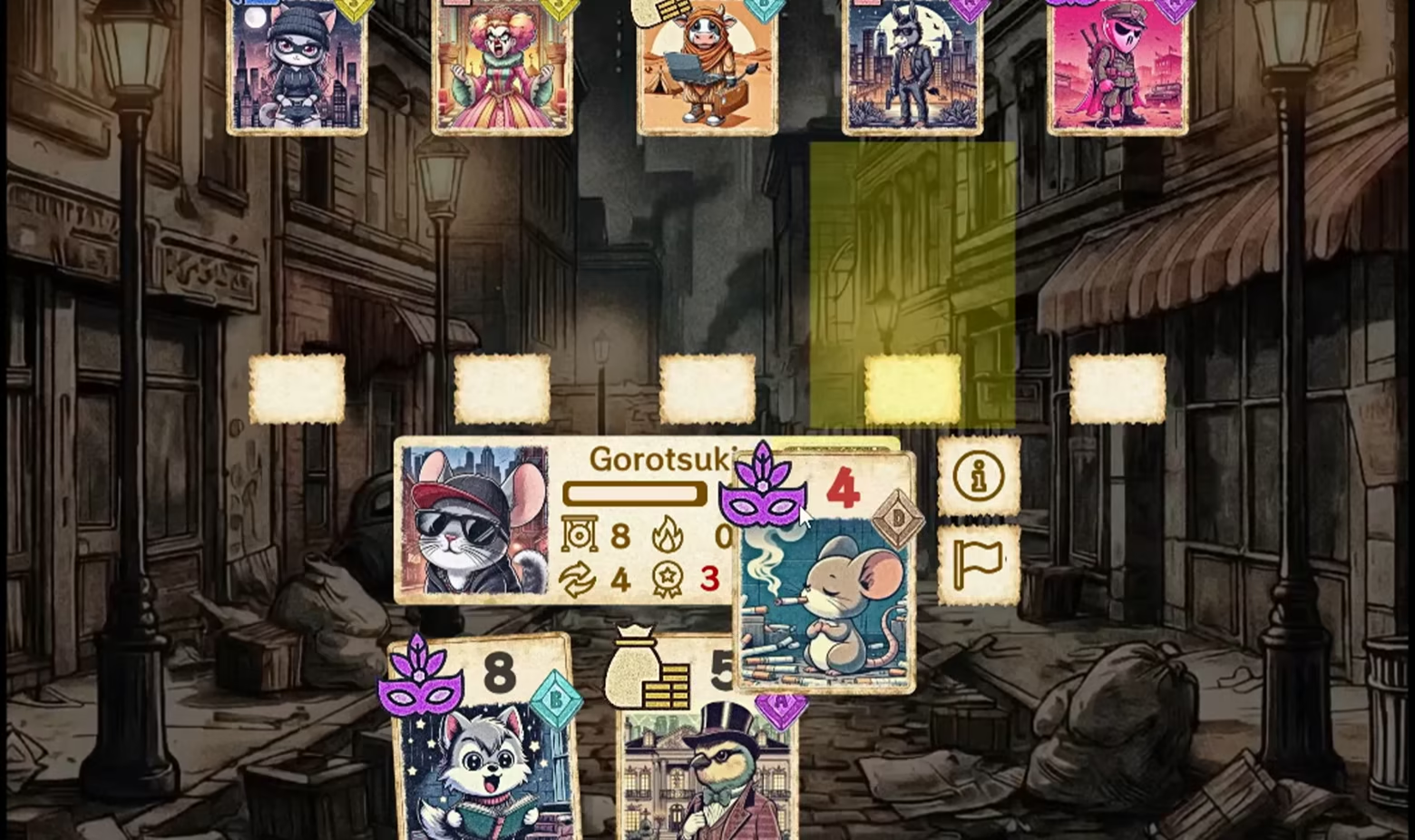
From that point on, the loop is straightforward and tense: whenever both players’ hands hit zero, a showdown happens. You keep collecting rewards and accumulating points until someone reaches the finish line. The first player to reach 30 points wins.
Why it’s a good fit for Mac players
Gorotsuki Paradise’s interface-first, drag-and-drop card play translates naturally to Mac. The rules emphasize clarity—lanes, limits, showdowns, and tokens—making it easy to learn, while the card pool and evolving-deck concept provide the long-term depth that keeps PvP card games interesting.
Mac system requirements
- macOS: 10.13.0 or later
Tips for your first few matches
- Play for rewards, not just power. Lane Reward Cards can define the mid-game; don’t ignore them just to chase a small total-power edge.
- Track lane capacity. With only two slots per lane, your placement decisions can force awkward trades or deny an opponent clean answers.
- Bank Swap Tokens intentionally. A single swap can fix an opening hand, but saving tokens can let you “burst dig” when a must-win showdown is coming.
- Respect first-player priority in ties. If you’re going second in a round, you may need to win a lane by a clear margin rather than aiming to tie.





Comments
Sign in to join the conversation.
Log in to commentNo comments yet. Be the first to join the conversation.