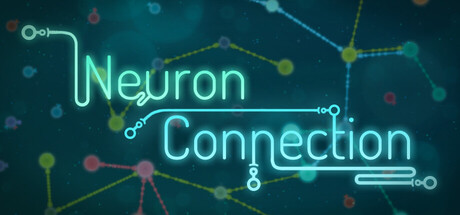

Neuron Connection is a calm-but-clever strategy/puzzle game where the “factory” you manage isn’t industrial—it's biological. You’re dropped into a microscopic world of neurons and synapses, then asked to do what great network games always demand: build clean routes, balance supply and demand, and iterate constantly as the system evolves. The hook is the theme and presentation—neural pathways, relay points, and neurotransmitter flow—wrapped in a soothing, particle-filled environment that’s designed as much for relaxed tinkering as it is for optimization.
What You Do in Neuron Connection
At its core, the game is about connecting and routing. Neurons require specific resources, and it’s up to you to match those needs by building connections between synapses and shaping the transport routes that keep the network functioning. Each decision matters: a clean layout can keep everything stable, while a messy network can introduce inefficiencies and bottlenecks.
Core Gameplay: Network Design Meets Resource Management
- Build your network freely: You connect neuron synapses and plan the routes of neurotransmitter transport, creating your own circuit layout rather than following a rigid blueprint.
- Dynamic resource flow: The game leans on a supply-and-demand model, asking you to think not just about making connections, but about whether those links can actually support what the network needs over time.
- Strategic optimization: You’ll adjust relay nodes and choose neural pathway types to increase throughput and efficiency. The satisfying loop comes from spotting a weak link, revising the structure, and watching the system stabilize.
Procedural Structure and Replayability
Rather than handing you the same scenarios repeatedly, Neuron Connection uses procedurally generated content. Sessions feature different task requirements and resource distributions, which pushes you to adapt your design approach. That procedural layer helps the game stay fresh: even if you understand the underlying logic, you’ll still need to read the current network’s “shape” and plan accordingly.
Audio-Visual Style: Minimal Stress, Maximum Flow
The biological setting is presented with a clean, modern look—an interior world of floating elements, shifting lights, and gentle particle effects. Interactions are accompanied by crisp, relaxing bubble-like sounds, reinforcing the game’s low-friction vibe. If you like management games but don’t always want harsh alarms and high-pressure timers, the presentation here supports a more thoughtful pace.
Who It’s For
Neuron Connection works best for Mac players who enjoy:
- Optimization puzzles where small tweaks produce big system-wide improvements
- Network/route planning that rewards clean layouts and smart throughput choices
- Relaxing management with a soothing presentation, but enough complexity to stay interesting
If you’re the type who enjoys iterating on layouts—reworking routes, smoothing bottlenecks, and refining efficiency—this is a satisfying spin on the genre with a distinct theme.
Mac System Requirements
Minimum
- OS: macOS 10.14 Mojave
- Processor: Intel Core i5 or Apple Silicon (M1, running under Rosetta 2)
- Memory: 4 GB RAM
- Graphics: Intel / Apple integrated GPU
- Storage: 300 MB available space
Recommended
- OS: macOS 12 Monterey
- Processor: Apple M1 / Intel Core i5
- Memory: 8 GB RAM
- Graphics: Apple Silicon integrated GPU
- Storage: 300 MB available space
Bottom Line
Neuron Connection is a thoughtfully themed network builder where the challenge comes from balancing flows and designing efficient routes—only here, your “factory lines” are neural pathways. It’s approachable, visually soothing, and strategically satisfying when your latest rewire finally makes the whole system hum.





Comments
Sign in to join the conversation.
Log in to commentNo comments yet. Be the first to join the conversation.