
Overview
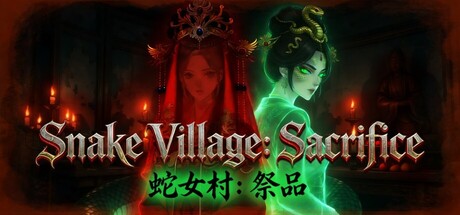
蛇女村:祭品 (often presented in English as Snake Village: Sacrifice) is a mystery-focused FMV (full-motion video) game built around branching outcomes. Progress isn’t just about picking dialogue options—your success in timed sequences, your investigative approach, and the specific combination of clues and items you collect can all shape what you see next and which ending you reach.
Story Background
Snake Maiden Village is said to be hidden deep in the mountains, isolated from the outside world and governed by strict traditions. The village’s women carry the blood of the snake clan, and with that blood comes a hard rule: when a woman reaches the age of 20, she must complete the Molting Sacrifice by offering the heart of a truly evil person. If the offering is rejected—or if she fails to complete the ritual in time—she will transform into a snake completely and never return to human form.
You play as Lin Xi, the village chief’s daughter, approaching her 20th birthday. She has already ventured into the city seventeen times searching for a worthy sacrifice, only to find “evil” that doesn’t qualify—the Snake Goddess refuses their hearts. Now she has ten days to succeed, or she loses her humanity forever.
How the FMV Structure Works
As an FMV game, much of 蛇女村:祭品 unfolds through filmed scenes, with player interaction layered on top through event prompts, branching decisions, and investigative segments. The core appeal is replayability: information you uncover in one run can change how you interpret motives in the next, and small deviations can snowball into dramatically different conclusions.
Key Features
Event Response (Do the Right Thing at the Right Time)
Story progression is driven by specific events that must be completed to trigger corresponding scenes. Responding incorrectly can change the immediate outcome and may push the narrative toward an alternate branch.

Clue Investigation (Different Methods, Different Items)
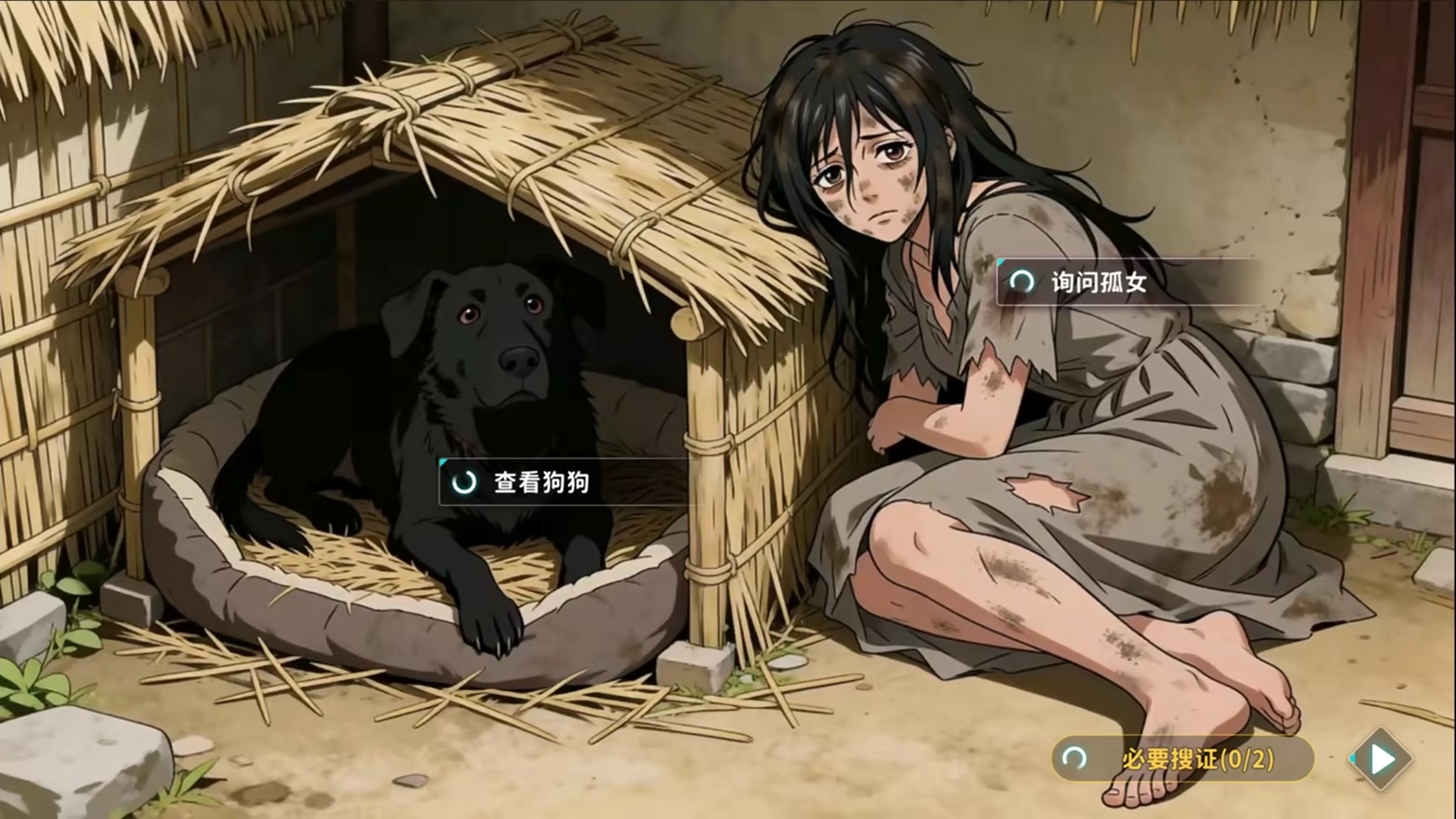
Investigation is more than a checklist. The game emphasizes that different investigative approaches can yield different items, and those items can unlock distinct story paths and endings. If you enjoy comparing runs—testing what happens when you search a location differently, or prioritize one lead over another—this is where the game’s branching design shows up most clearly.
Quick-Time Events (Pressure That Matters)
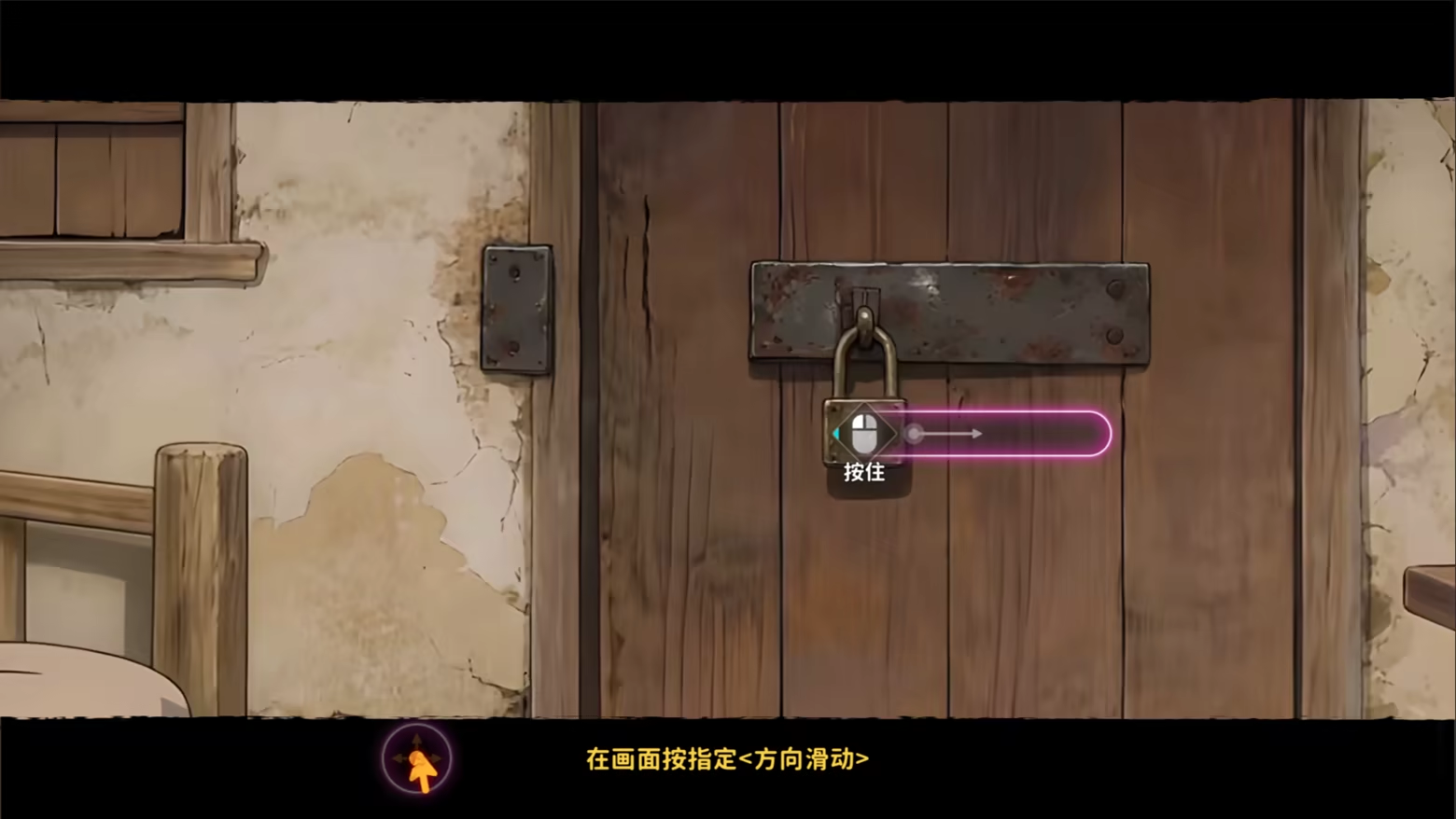
Quick-time events (QTEs) require you to follow on-screen prompts under time pressure. Importantly, failure isn’t only a “try again” moment—missed QTEs can produce different outcomes, including alternate endings.
Event Choices (Branching Decisions Across the Run)
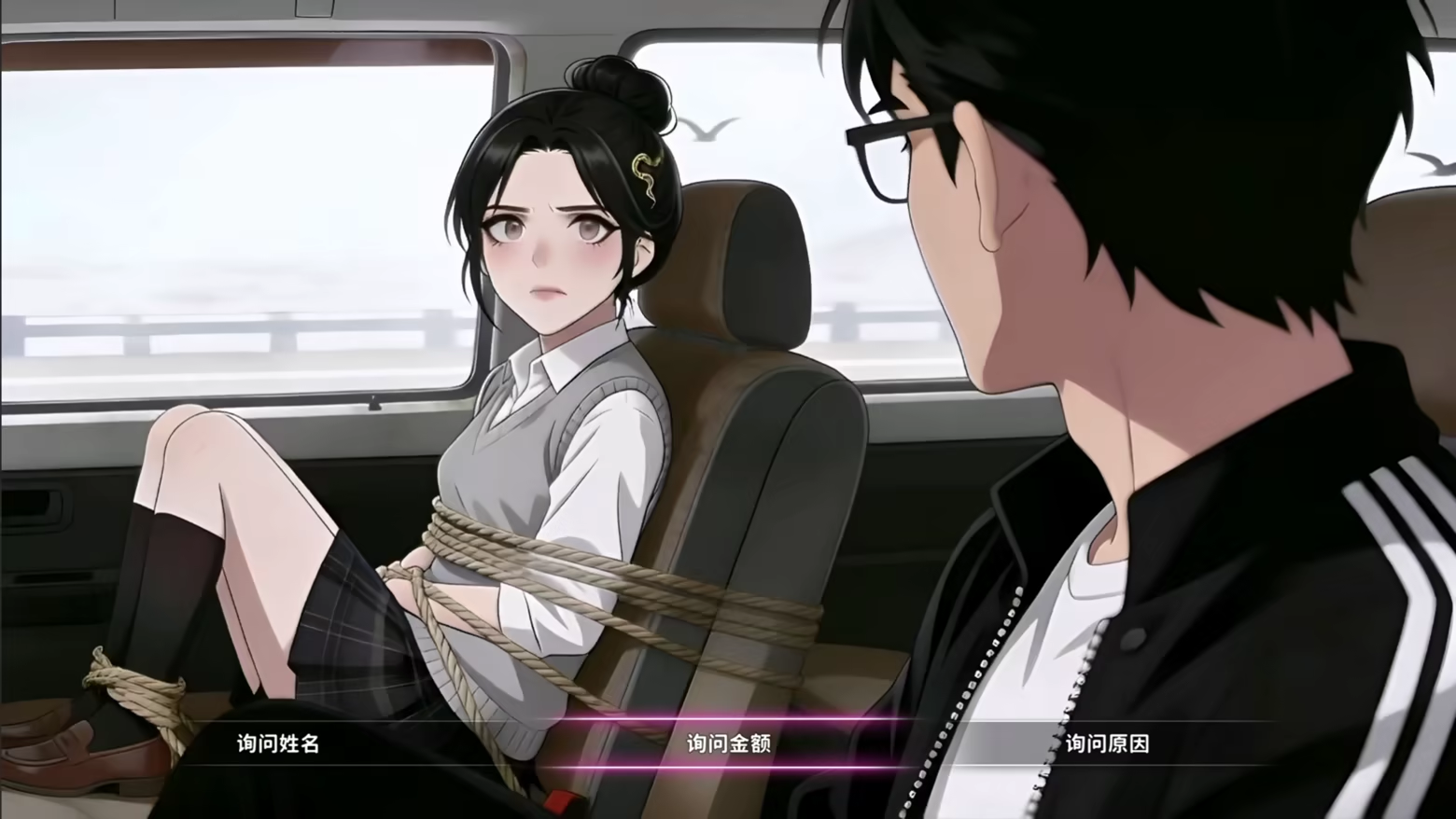
Throughout the story you’ll face pivotal choices. These decisions—combined with what you’ve learned and what you’re carrying—feed the game’s variety of finales. If you’re chasing a “best” ending (or simply trying to see everything), expect to replay and experiment.
What Mac Players Should Expect
On Mac, 蛇女村:祭品 targets relatively modest specs on paper, with recommended support for newer macOS versions and Apple silicon. Storage is the main practical consideration at 20 GB, which is typical for video-heavy FMV titles.
Mac System Requirements
Minimum
Minimum:
- OS: macOS High Sierra 10.13
- Processor: Intel Core i3
- Memory: 4 GB RAM
- Storage: 20 GB available space
Recommended
Recommended:
- OS: macOS Ventura 13.0.1 or newer
- Processor: Intel Core i5 or Apple M1 or above
- Memory: 4 GB RAM
- Storage: 20 GB available space
Who It’s For
If you enjoy FMV mysteries where failure can be as interesting as success—and where your route through an investigation can materially change what you uncover—蛇女村:祭品 is built around that idea. Its central hook is urgent and personal: find a heart that satisfies the Snake Goddess, or lose your human life permanently.
Replayability Tips (Without Spoilers)
- Vary your investigation style on subsequent runs; the game explicitly rewards different approaches with different items.
- Don’t treat missed QTEs as dead ends; failures can open alternate outcomes worth seeing.
- Track what you collected and what choices you made—endings are influenced by combinations, not just single decisions.





Comments
Sign in to join the conversation.
Log in to commentNo comments yet. Be the first to join the conversation.