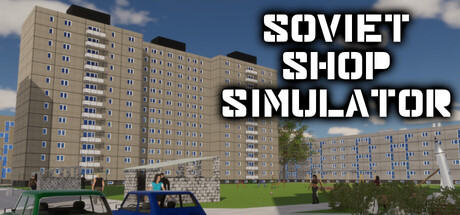

Soviet Shop Simulator is a first-person shop management sim built around a simple fantasy—running your own neighborhood grocery—then immediately complicating it with the realities of “challenging times of the past.” You’re not just placing items on shelves and ringing up customers. You’re fighting inflation, making licensing decisions that shape your entire product catalog, handling impatient lines at the register, and reacting to unpredictable events that can either wreck your day or make you rich if you’re prepared.
What You Do in Soviet Shop Simulator
The core loop is a satisfying blend of hands-on tasks and big-picture decision-making:
- Order inventory and equipment from an in-game computer, including shelves and store essentials.
- Unlock your assortment via licenses—a key progression system that gates new categories and expands what you can sell.
- Receive deliveries at the back of the store, then hustle to get everything stocked before customers arrive.
- Set prices manually, balancing profit margins against customer satisfaction and reputation.
- Work the register—scan items, take payments, and make change quickly to prevent reputation damage from long queues.
- Upgrade and decorate the interior with materials like plaster, paint, and patterned tiles.
- Deal with thieves, especially as your store grows and your shelves get more tempting.
- React to special events like floods or power plant failures that disrupt normal demand and supply in ways you can exploit—or suffer through.
Inflation Is the Real Final Boss
Most store sims focus on maximizing throughput and layout efficiency. Soviet Shop Simulator adds a more anxious layer: soaring inflation. Wholesale costs and even the price of licenses rise over time, turning “I’ll expand later” into a risky choice.
That means pricing isn’t a one-and-done task. You’ll regularly revisit your price list to keep margins afloat. Push prices too high and you’ll see the downside fast—customers get unhappy, reputation takes a hit, and traffic can fall off just when you need it most.
Product Variety and Licenses: Build an Assortment That Makes Sense
The game features 120+ stylized products across familiar grocery categories: vegetables, fruits, meat, dairy, beverages, canned goods, spices, preserves, alcohol, sweets, and cleaning & hygiene products. Access is tied to 21 licenses, so your store’s identity emerges from the order you expand in.
Strategically, licenses function like long-term investments: they cost money now (and more money later if inflation climbs), but they unlock more ways to satisfy customers and increase daily revenue. The twist is that rapid expansion can create new problems—more inventory to manage, more shelves to stock, and more chances for theft.
Front-of-House Pressure: Queues, Scanning, and Reputation
When the store is open, you’re not watching numbers in a spreadsheet—you’re operating the register. The faster and more accurately you scan, collect payments, and provide the correct change, the better your store flows. Let lines stack up and the game punishes you where it hurts: reputation. A bad local reputation can limit your growth and reduce the steady customer traffic you rely on to survive price spikes.
Back-of-House Hustle: Deliveries and Stocking
Inventory arrives by truck in the parking lot behind the store, and you’ll need to collect deliveries and stock shelves quickly so customers can access the full assortment in the morning. This creates a strong daily rhythm: planning and ordering, physical restocking, then opening hours where the register becomes the bottleneck.
The more categories you unlock, the more important your stocking routine becomes—running out of staples isn’t just lost sales; it can snowball into unhappy customers and wasted time as you scramble to recover.
Theft, Fixers, and Risk Management
As your shop’s assortment and success grow, it can attract thieves. Rather than turning the game into pure punishment, Soviet Shop Simulator gives you an option: a local fixer who can help you deal with the problem. It’s another example of how the game pushes you to think like a survivor-entrepreneur—spend money to reduce risk now, or gamble that you can out-earn the losses.
Special Events: Disasters You Can Profit From
One of the most distinctive features is the inclusion of special events—natural disasters and city incidents that change conditions in ways that can feel brutal at first. Floods or power plant failures can disrupt routine operations, but they can also spike demand or create profitable shortages if you planned your stock and pricing well.
If you enjoy sims where adapting on the fly matters as much as optimizing your layout, this system adds welcome unpredictability to the day-to-day grind.
Interior Design and Store Upgrades
When you’re not stocking or scanning, you can improve the store’s look. A trader offers plaster for repairs, colorful paints, and tiles with unique patterns. While decoration can be cosmetic, it also supports the fantasy of building something personal in a rough economic climate—your shop gradually transforms from a bare-bones operation into a place that looks established and “lived in.”
Set Your Own Hours (and Live With the Consequences)
You decide the store’s opening hours, which is a surprisingly meaningful lever. Longer hours can increase revenue potential, but they also increase workload and can amplify mistakes: more time open means more opportunities for lines to build, for inventory to run out, and for small inefficiencies to compound.
Lottery, Loans, and Cash Flow Emergencies
If inflation or over-expansion leaves you short on cash, the game gives you a few pressure valves: you can take loans, and you can even try your luck in the lottery for a potential big win. These systems reinforce the main theme: you’re constantly balancing stability versus risk, and sometimes the “responsible” choice isn’t enough to keep momentum.
Mac System Requirements
Minimum
- OS: 10.15 Catalina
- Processor: Apple M1 or Intel Core i5
- Memory: 8 GB RAM
- Storage: 10 GB available space
Recommended
- OS: 10.15 Catalina
- Processor: Apple M1 or Intel Core i7
- Memory: 8 GB RAM
- Storage: 10 GB available space
Who It’s For
- Play it if: you like shop/tycoon sims with hands-on tasks, real pressure from economic systems, and reactive events that can flip a run from smooth to chaotic.
- Skip it if: you want a purely relaxing builder with minimal failure states—queues, inflation, and theft mean you’ll regularly be putting out fires.
Soviet Shop Simulator is at its best when you’re juggling three problems at once: shelves that need stocking, customers that won’t stop lining up, and a price list that’s already outdated because inflation never sleeps. If that brand of stressful, systems-driven retail drama sounds appealing, it’s an easy one to keep “just one more day”ing—especially on Mac where cozy sims are often best enjoyed in bite-sized sessions.





Comments
Sign in to join the conversation.
Log in to commentNo comments yet. Be the first to join the conversation.