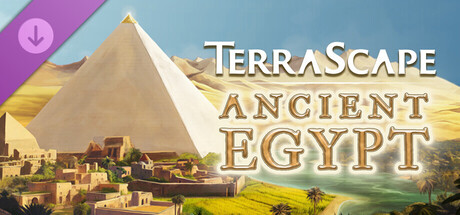

TerraScape Ancient Egypt invites Mac players to trade temperate valleys for sun-baked sands, placing you in charge of a growing settlement along the Nile. The hook is simple but surprisingly deep: you’re not only expanding a city, you’re sculpting the land and arranging structures to trigger synergies—turning a harsh desert start into a productive, fertile corridor that can support grand complexes and iconic monuments.
Rather than leaning on pure micromanagement, Ancient Egypt emphasizes strategic placement. Every tile matters, and the best-looking district isn’t always the best-performing one. When you align resources, terrain improvements, and man-made structures, the game rewards you with stronger production, better growth, and progress toward the kind of mega-projects that define an empire.
What TerraScape Ancient Egypt Is
At its core, TerraScape Ancient Egypt is a city builder focused on synergy-based planning. You expand step-by-step, placing buildings in a way that maximizes interactions between terrain and structures. The setting does more than provide scenery: the Nile is a living system, and the seasonal cycle becomes a gameplay constraint and opportunity.
The result is a city builder that feels puzzle-like in the best way: you’re constantly asking, “If I place this here, what does it enable next?”
Key Gameplay Pillars
Terraforming: Make the Desert Livable
The biggest fantasy in Ancient Egypt is turning barren land into something that can sustain a civilization. Terraforming lets you convert inhospitable tiles into habitable zones and fertile soil, setting the foundation for agriculture, growth, and higher-value districts. This isn’t just cosmetic—terraforming is how you create the conditions for your best building synergies to exist at all.
Strategic Building and Synergies
Placement is power. Buildings interact with nearby resources, terrain types, and other structures, so planning districts as interlocking systems is central to success. The game encourages you to think in clusters and corridors—especially as you build along the river and try to preserve room for future upgrades.
Complexes: Combine Structures for Bigger Rewards
As your city matures, you can merge or combine buildings into complexes. These larger constructions are more than simple upgrades: they represent purposeful planning paying off, granting unique rewards and stronger capabilities than a scattered layout can provide.
Monuments: Build the Legacy Projects
Ancient Egypt wouldn’t be complete without monumental ambition. The game’s monuments are large-scale constructions that require forethought—space, supporting infrastructure, and a healthy economy. Completing them unlocks powerful perks, which can shift your city’s momentum and help you push into higher tiers of expansion.
Dynamic Challenge: Seasonal Flooding of the Nile
The Nile is not a static border—it’s a strategic factor. You’ll need to adapt to seasonal flooding, planning growth around the rhythm of the river and learning when to lean into floods for advantage versus when to protect key development. It’s an elegant way to make the map feel alive and to keep “best practices” from becoming too rigid.
Why It Plays Well on Mac
TerraScape Ancient Egypt’s appeal on macOS is its “one more placement” cadence: it’s a great fit for trackpad-and-keyboard strategy sessions, and its readable, plan-ahead pacing suits both short sessions and longer optimization runs. If you enjoy city builders where clever layout decisions matter more than frantic clicking, this is an easy one to recommend for a Mac library.
Mac System Requirements
Minimum
Minimum:
- OS: Big Sur 11 or newer
- Processor: Apple M1 or Intel Core i5
- Memory: 8 GB RAM
- Graphics: M1 or GTX 960
- Storage: 2 GB available space
Recommended
Recommended:
- OS: Big Sur 11 or newer
- Processor: Apple M3 or Intel Core i7
- Memory: 8 GB RAM
- Graphics: M2 or RTX 2070
- Storage: 2 GB available space
Who Should Play TerraScape Ancient Egypt?
- City-builder fans who prefer thoughtful planning over heavy micromanagement.
- Strategy players who enjoy adjacency bonuses, optimization, and building “systems” rather than single structures.
- Creative organizers who like transforming an environment—especially when terraforming is a core mechanic.
- History-theme enthusiasts looking for an Ancient Egypt backdrop centered on the Nile’s natural rhythms.
The Takeaway
TerraScape Ancient Egypt is about building with intent: reshaping the desert, leveraging synergies, forming complexes, and committing to monuments—all while respecting the Nile’s seasonal pulse. For Mac gamers looking for a strategic city builder that rewards smart placement and long-term planning, it’s a compelling new chapter in the TerraScape journey.





Comments
Sign in to join the conversation.
Log in to commentNo comments yet. Be the first to join the conversation.