
HomePod mini 2 is official—and it’s really about the ecosystem
Apple has announced HomePod mini 2, pitching it as a major step forward for its smallest smart speaker thanks to Siri AI, new color options, and expanded audio configurations. While this isn’t a gaming announcement, it’s still relevant MacGaming.com territory: Apple’s home hardware is increasingly designed to work as a single, AI-assisted system across Mac, iPhone/iPad, and Apple TV—and that ecosystem momentum is something Mac and Apple Silicon users feel first.
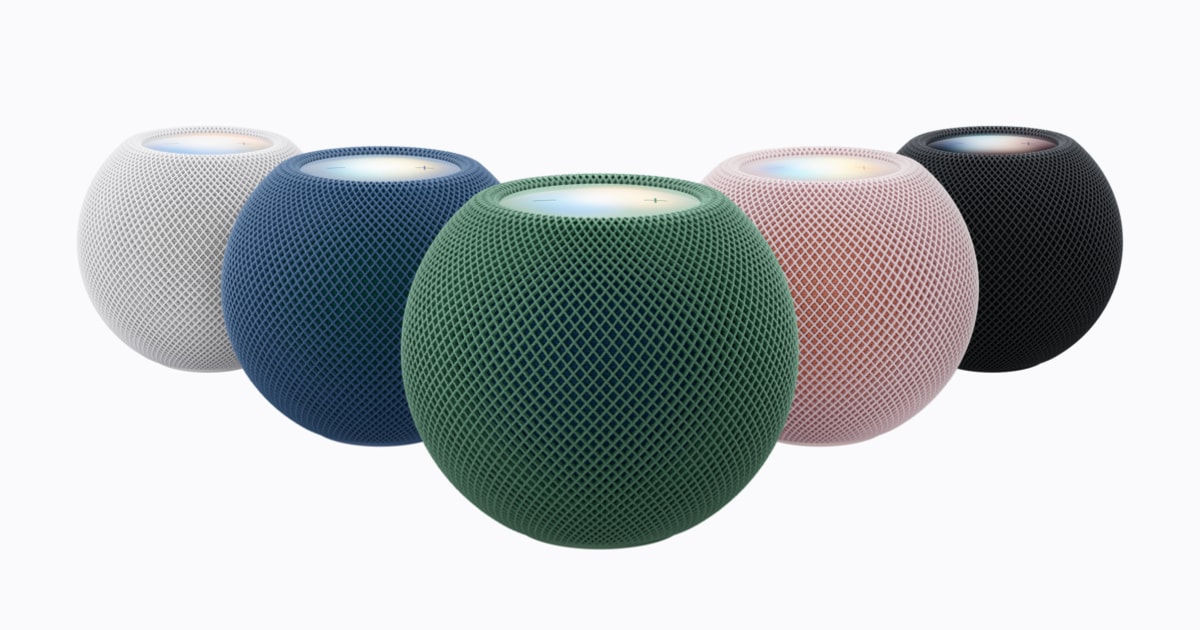
According to Apple, HomePod mini 2 will be available in pink, green, blue, white, and midnight, with pre-orders starting today and availability beginning Friday, October 30.
Siri AI is the headline feature—but it’s not there on day one
Apple says Siri AI is coming to HomePod mini 2 in a future software update. The company describes it as a “profoundly more capable and conversational” assistant built on Apple’s latest foundation model architecture, with improvements centered on:
• Personal context understanding when paired with an Apple Intelligence-enabled iPhone or iPad
• Broader world knowledge for richer music discovery and general tasks
• The ability to tap into more apps (Apple highlights examples like Messages, reminders, and finding information across email/texts)
For Mac and Apple Silicon households, the key detail is that Apple continues to frame intelligence features as distributed across devices—the HomePod is a voice-first endpoint, but the “smarts” often depend on the nearby iPhone/iPad that’s eligible for Apple Intelligence. That has implications for developers and platform watchers: capability isn’t only tied to a single device anymore; it’s tied to the user’s hardware graph.
Audio and Apple TV 4K pairing: four-speaker surround enters the chat
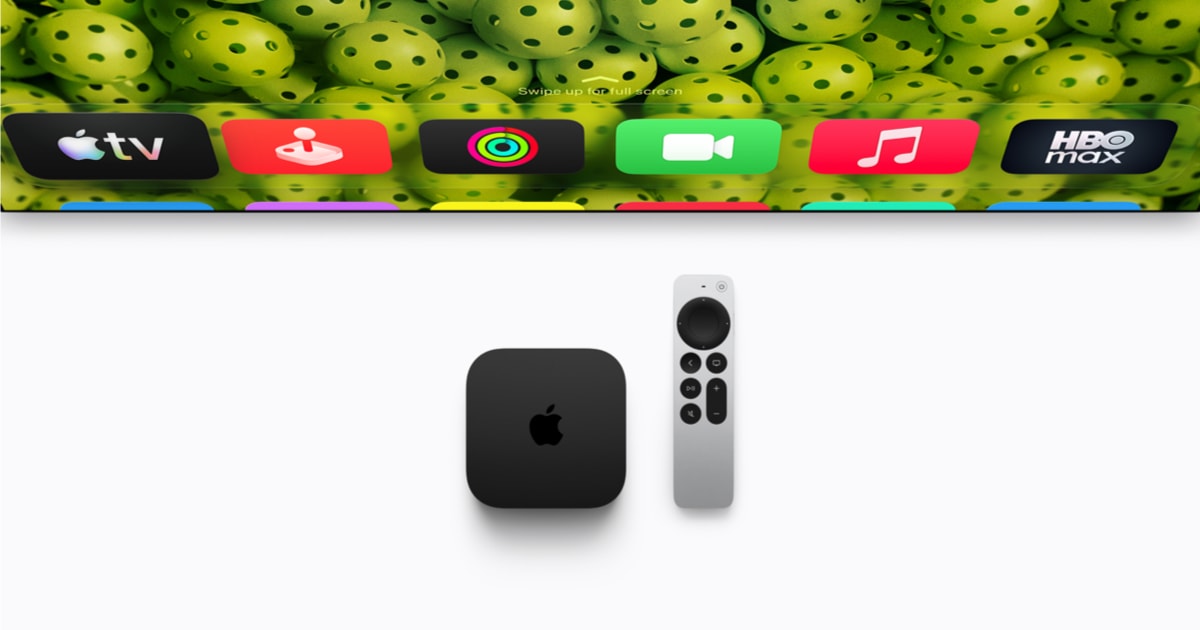
Apple is also leaning hard into audio configurations. HomePod mini 2 supports room-filling playback as a single speaker, stereo pairing, and multiroom audio. The biggest home theater note is that when paired with the new Apple TV 4K, HomePod mini 2 can be used in a four-speaker surround sound setup—described by Apple as its “most immersive home theater setup yet.”
For MacGaming.com readers, the practical takeaway isn’t “buy this for games.” It’s that Apple TV continues to be treated as a living-room hub with increasingly serious audio ambitions. If Apple wants Apple TV to matter as a platform (including for Apple Arcade and broader app distribution), the surrounding accessory story—speakers included—keeps getting reinforced.
Multi-user support and the connected home angle
Apple says HomePod mini 2 can recognize up to six users by voice and securely connect to their device across apps like Messages and timers, while also enabling voice-controlled smart home management and automations. That matters less for performance benchmarks and more for Apple’s ongoing push to make the home a privacy-forward extension of your Apple ID and device lineup.
What this means for Mac and Apple Silicon readers
HomePod mini 2 isn’t going to change Mac gaming performance, Metal feature adoption, or how studios port titles to Apple Silicon. But it is part of a larger trend worth watching: Apple is tightening the loop between AI features, device eligibility, and cross-device experiences. For developers, that often translates into a moving target of where intelligence lives (speaker vs. phone vs. tablet), what APIs are available, and how users expect interactions to work across the ecosystem.
In short: HomePod mini 2 is another brick in the wall of Apple’s “ambient computing” strategy—one that’s increasingly defined by Apple Silicon and on-device intelligence.
Source
This coverage is based on Apple’s official Newsroom press release published on October 13, 2026.
For the full announcement details, visit the original source: Apple announces the next generation of HomePod mini.

Comments
Sign in to join the conversation.
Log in to commentNo comments yet. Be the first to join the conversation.