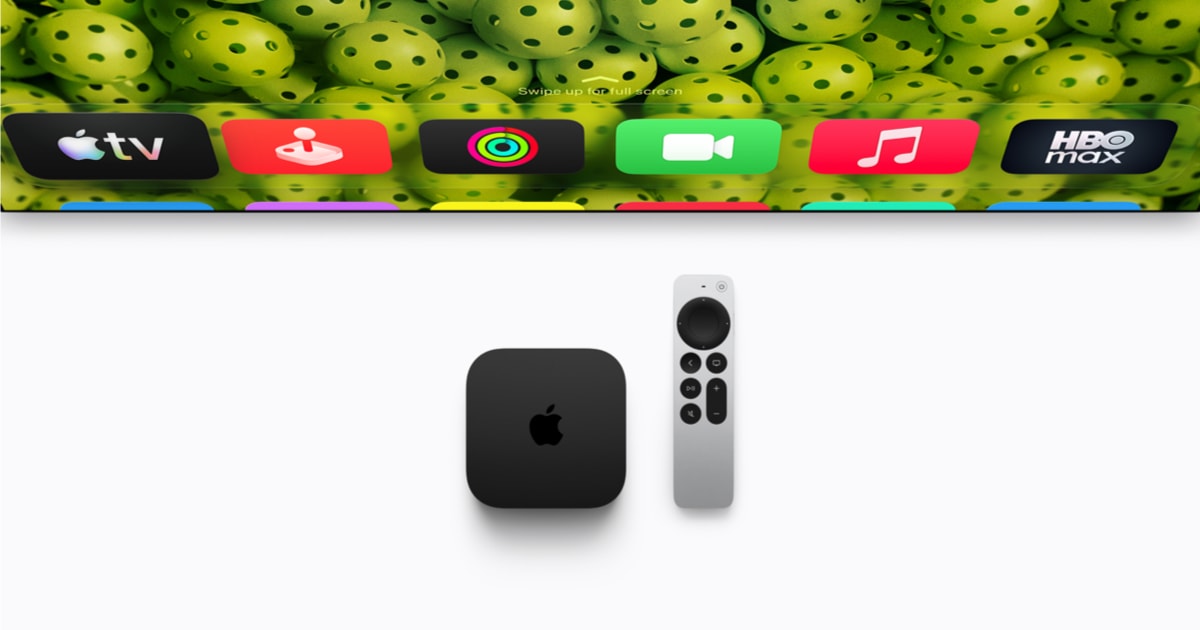

Apple’s new Apple TV 4K: an ecosystem move, not a gaming one
Apple has announced the next generation of Apple TV 4K, pitching it as its “most immersive home theater experience yet,” led by a new full-screen Siri AI interface, hands-free voice control via built-in far-field microphones, and faster performance. While Apple’s press release is firmly centered on TV and smart home use cases (not games), the update still matters to MacGaming.com readers because it underscores where Apple is investing: on-device intelligence, cross-device continuity, and platform-level capabilities that tend to arrive across Apple Silicon products over time.
Source: Apple Newsroom (Press Release), published 2026-10-13.
Siri AI on tvOS: the UI shift is the story
The headline feature is “Siri AI,” described as an entirely new version of Siri powered by the next generation of Apple Intelligence. On Apple TV 4K, that presents as a rich, full-screen discovery experience for searching and exploring entertainment, plus an in-play overlay for quick questions while viewing.
From an ecosystem perspective, the most notable part is how Apple continues to treat “assistant + OS UI” as a core navigation layer. That matters for developers (and potentially, down the line, game and media app UX) because platform discovery and app actions increasingly flow through system-level assistants—especially as Apple emphasizes “systemwide app actions” and conversational follow-ups as first-class UI.
Hands-free voice via far-field mics: convenience with implications
Apple says the new Apple TV 4K includes built-in far-field microphones, enabling users to talk to Siri completely hands-free. For living-room setups, that’s a straightforward quality-of-life upgrade. For the broader Apple platform story, it’s another step toward ambient, always-available interactions that don’t rely on a remote or a phone being in-hand.
Mac and iPhone users should read this as Apple continuing to standardize how you “control the room” across devices—important for anyone using Macs in shared spaces, stream-and-play setups, or AirPlay-heavy households.
Performance bump: good for responsiveness, but Apple doesn’t frame it as gaming
Apple promises “even faster performance,” but the Newsroom text provided doesn’t include chip-level detail, GPU/CPU figures, or any game-specific positioning. That means we can’t responsibly infer concrete gaming outcomes (frame rates, upscaling, controller latency, etc.) from this announcement alone.
Still, any performance uplift on Apple TV tends to benefit the whole tvOS experience: faster app launching, smoother UI, quicker content navigation, and potentially more headroom for sophisticated media apps. If Apple later shares a silicon breakdown, that will be the key info for developers targeting tvOS alongside iOS and macOS.
Home hub upgrades: Apple Intelligence reaches into Home
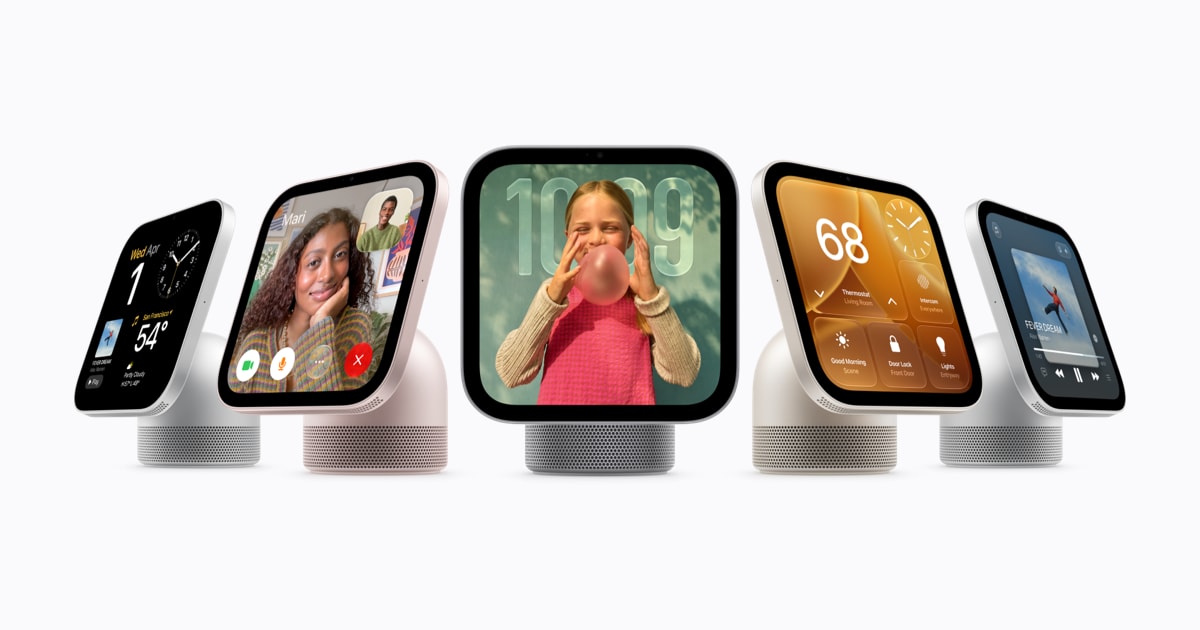
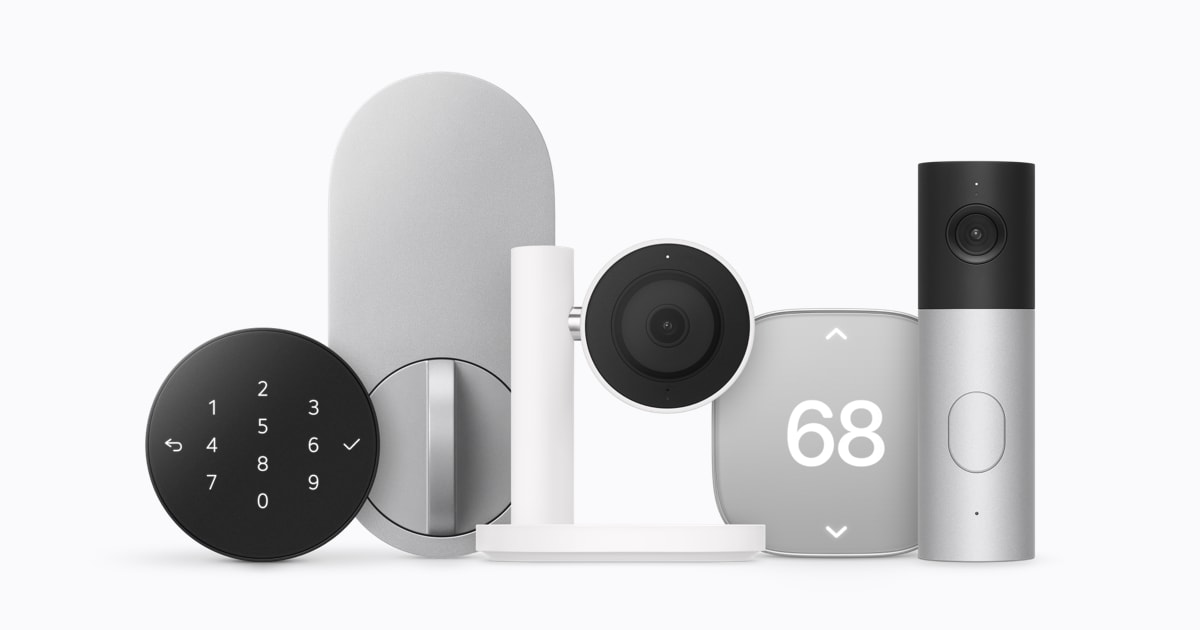
Apple also positions Apple TV 4K as a smarter home hub, mentioning Apple Intelligence-generated camera activity descriptions and summarized notifications in the Home app, plus easier control of accessories and scenes. For ecosystem watchers, this is consistent with Apple’s “intelligence everywhere” direction—spreading model-driven features across the Apple Home stack, not just phones and Macs.
Even if you’re here for games, this matters because Apple TV often plays a central role in living-room networks: it’s the always-on box, frequently the AirPlay target, and a common endpoint in multi-device households where Macs, iPhones, and controllers all interact.
HomePod pairing and surround sound: a living-room bundle strategy
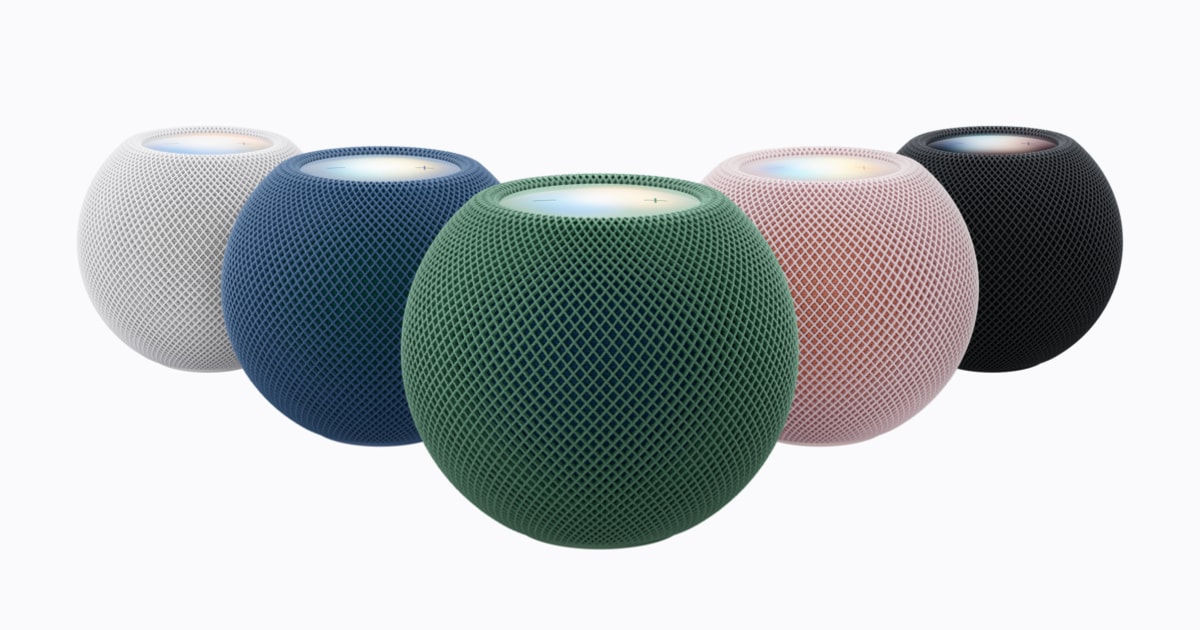
Apple says pairing Apple TV 4K with four HomePod mini 2 or HomePod (2nd generation) speakers unlocks its most immersive home theater surround sound setup yet. That’s less about a single device upgrade and more about Apple’s ongoing strategy: selling the living room as a coordinated Apple Silicon-adjacent “system” of devices.
For developers and platform observers, that bundling mindset is notable—Apple continues to elevate end-to-end experiences (hardware + OS + services) rather than isolated specs.
Availability
Apple says the new Apple TV 4K can be pre-ordered starting today, with availability beginning November 13.
What to watch next (for Mac and Apple Silicon readers)
The missing piece for performance-minded readers is the silicon story: exact chip, memory/storage configurations, and any new media or ML accelerators. If Apple provides those details elsewhere (tech specs pages, briefings, or follow-up documentation), that’s what will clarify whether there are meaningful implications for tvOS developers—or for anyone hoping Apple TV becomes more relevant to high-end casual living-room gaming.
For now, the clear takeaway is platform direction: Apple Intelligence (and Siri as a UI surface) is becoming more prominent across Apple’s product lines, and Apple TV 4K is now part of that narrative.
Read the original announcement on Apple Newsroom here: https://www.apple.com/newsroom/2026/10/apple-unveils-the-new-apple-tv-4k/.
Comments
Sign in to join the conversation.
Log in to commentNo comments yet. Be the first to join the conversation.