
Apple’s latest AMP update is iPhone-focused, but the ripple effects matter across the platform
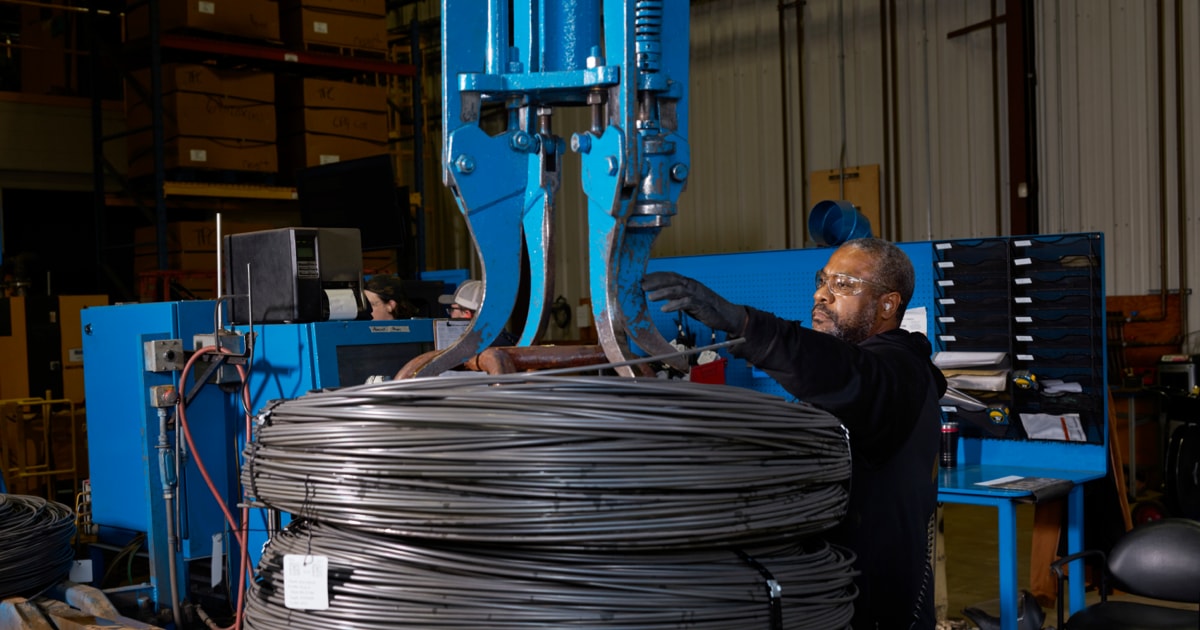
Apple has announced new and expanded American Manufacturing Program (AMP) partnerships tied to components and materials shipping in its newest iPhone lineup: iPhone Duo and iPhone 18 Pro. The headline items are U.S.-sourced titanium from Pennsylvania-based Perryman Company and expanded work with Delaware-based Qnity Electronics on technology enabling the iPhone 18 Pro’s new variable-aperture camera system.
On its face, this is not a Mac gaming story. But for anyone tracking Apple’s platforms as a single ecosystem — where iPhone, iPad, and Mac increasingly share architectures, development tools, and feature roadmaps — Apple’s supplier strategy is worth paying attention to. The more predictable Apple can make its component pipeline, the easier it is to maintain consistent product cycles and capabilities across the hardware that developers target.
Why Mac and Apple Silicon readers should care
Apple frames AMP as part of a broader effort to expand advanced manufacturing and critical component production in the United States, alongside what it describes as a $600 billion, four-year commitment to U.S. manufacturing and innovation. Apple also reiterates that it works with suppliers in all 50 states and supports more than 450,000 American jobs.
For Mac and Apple Silicon watchers, the key takeaway isn’t the specific parts named (titanium and camera tech), but the direction: Apple wants deeper control and more geographically diversified sourcing for high-value components. Over time, that tends to translate into fewer surprises in availability, fewer last-minute configuration shifts, and more confidence that Apple can scale new materials and manufacturing techniques across product lines.
Not a gaming announcement — but it shapes the environment gaming lives in
Nothing in Apple’s release changes the state of Mac gaming overnight. There are no new APIs, no GPU announcements, and no developer-facing platform updates here. Still, Mac gaming is downstream of broader ecosystem health: stable hardware rollouts, consistent performance targets, and long-term platform investment are what encourage studios and toolmakers to keep building for Apple Silicon.
When Apple highlights “advanced materials and components” and a program designed to bring “more advanced manufacturing” into the U.S., it’s also signaling a long game: build supply resilience around the kinds of parts that define product identity and differentiation. Even when those parts start in iPhone, Apple historically spreads successful manufacturing approaches and materials across the lineup over time.
What Apple said
In the announcement, Apple COO Sabih Khan said the company is “thrilled to expand our work with companies producing advanced materials and components for our newest iPhone lineup right here in America,” calling out “the titanium crafted for iPhone Duo” and “breakthrough camera innovations in iPhone 18 Pro.”
Source and where to read more
This news comes from Apple Newsroom (press release published October 20, 2026).
For Apple’s full announcement and additional details, read the original post on Apple Newsroom:
https://www.apple.com/newsroom/2026/10/apple-announces-american-manufacturing-program-partners-for-latest-iphone-lineup/




Comments
Sign in to join the conversation.
Log in to commentNo comments yet. Be the first to join the conversation.