
Apple’s new displays: what Mac gamers and creators should care about
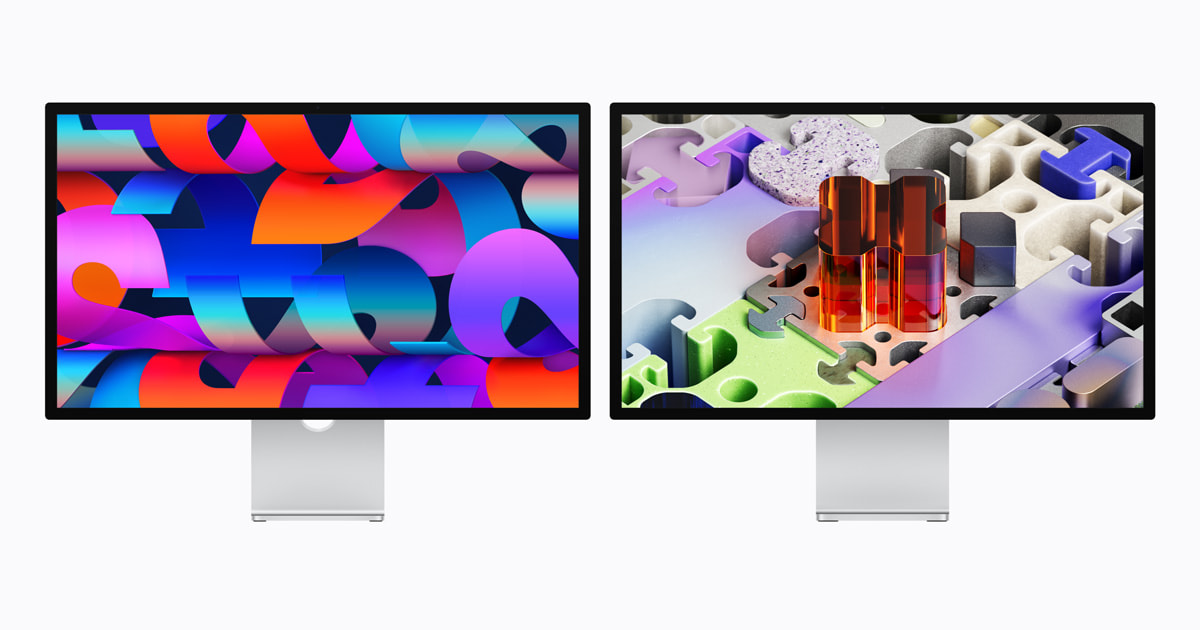
Apple has announced a refreshed Studio Display and an all-new Studio Display XDR, positioning them as the next step up for everyone from everyday Mac users to high-end pro workflows. While this is not a gaming-first announcement, the specs Apple is bringing to its display lineup have real implications for Mac gaming setups, Apple Silicon workflows, and the broader ecosystem of peripherals and developer tools that orbit modern Mac desks.
The headline for Mac users is straightforward: a more capable Studio Display for mainstream setups, and a new Studio Display XDR that leans into high-end HDR, high refresh, and variable refresh behavior — a combination that intersects directly with smoother gameplay, cleaner motion for fast-paced titles, and more comfortable long sessions in general.
Studio Display XDR: 27-inch 5K mini-LED, 120Hz, and Adaptive Sync
According to Apple, Studio Display XDR features a 27-inch 5K Retina XDR display with an advanced mini-LED backlight and over 2,000 local dimming zones. Apple is quoting up to 1000 nits of SDR brightness and up to 2000 nits of peak HDR brightness, alongside a wider color gamut.
From a Mac gaming angle, two other details jump out: a 120Hz refresh rate and Adaptive Sync. Higher refresh can make motion look clearer and input feel more responsive when a game can sustain higher frame rates. Adaptive Sync, meanwhile, is the kind of platform-level feature that can help smooth out frame pacing when performance fluctuates — an especially relevant topic on macOS where games can span everything from lightweight indie titles to demanding AAA ports.
None of this magically guarantees a game will run at 120fps on every Mac, of course. But as Apple Silicon performance continues to scale across the lineup, having Apple’s own displays align better with modern refresh-rate expectations removes one more "why is my Mac setup stuck at 60Hz?" friction point.
Thunderbolt 5 on both displays: ecosystem impact for Mac desks
Apple says both Studio Display and Studio Display XDR now include Thunderbolt 5 connectivity, with an emphasis on more downstream connectivity for high-speed accessories or daisy-chaining displays.
For gaming and creator setups, that matters less as a single spec bullet and more as a desk simplifier: fewer cables, more bandwidth headroom, and a cleaner path to connecting capture devices, fast external storage for large game libraries, and other peripherals that Mac players often lean on (controllers, audio interfaces, hubs, and docks) without turning their setup into a cable-management boss fight.
Camera and audio updates: more than “nice to have”
The refreshed Studio Display includes a 12MP Center Stage camera with improved image quality and support for Desk View, a studio-quality three-microphone array, and a six-speaker system with Spatial Audio. Apple says Studio Display XDR includes the same advanced camera and audio system.
Even if you’re here primarily for games, these features line up with how many Mac gamers actually use their machines: voice chat, streaming, quick dev check-ins, remote work, and content creation that lives alongside gaming rather than replacing it.
Price, glass options, and availability
Apple says the new Studio Display with a tilt-adjustable stand starts at $1,599, while Studio Display XDR with a tilt- and height-adjustable stand starts at $3,299. Both displays will be offered with standard or nano-texture glass.
Pre-orders begin March 4, with availability starting March 11, according to Apple.
Why this matters for macOS gaming (without overhyping it)
Apple’s display refresh doesn’t change the fundamentals of macOS game support on its own, and Apple didn’t position these as gaming displays. But bringing 120Hz and Adaptive Sync into Apple’s own pro display family is a meaningful ecosystem signal: Apple is continuing to normalize high-refresh, variable-refresh behavior in the Mac world, where display choices and connection standards have historically been a pain point for players trying to squeeze the best experience out of their Apple Silicon hardware.
For developers, a growing installed base of higher-refresh external displays can also influence how teams think about frame pacing, UI animation smoothness, and performance targets across Macs that increasingly blur the line between “work machine” and “play machine.”
Source
This article is based on Apple’s announcement published on Apple Newsroom on March 3, 2026.
For the full details from Apple, including the complete press release and product information, visit the original Apple Newsroom post: https://www.apple.com/newsroom/2026/03/apple-unveils-new-studio-display-and-all-new-studio-display-xdr/




Comments
Sign in to join the conversation.
Log in to commentNo comments yet. Be the first to join the conversation.