
From Grape to Glass, Every Choice Matters
Grand Cru: The Wine Maker is a winemaking simulation built around a simple promise: what you do in the vineyard and cellar visibly changes the final bottle. Rather than treating wine as a vague “crafting” mini-game, Grand Cru frames the process like a score-driven strategy title—where every decision can improve (or tank) the outcome.
Terroir Comes First
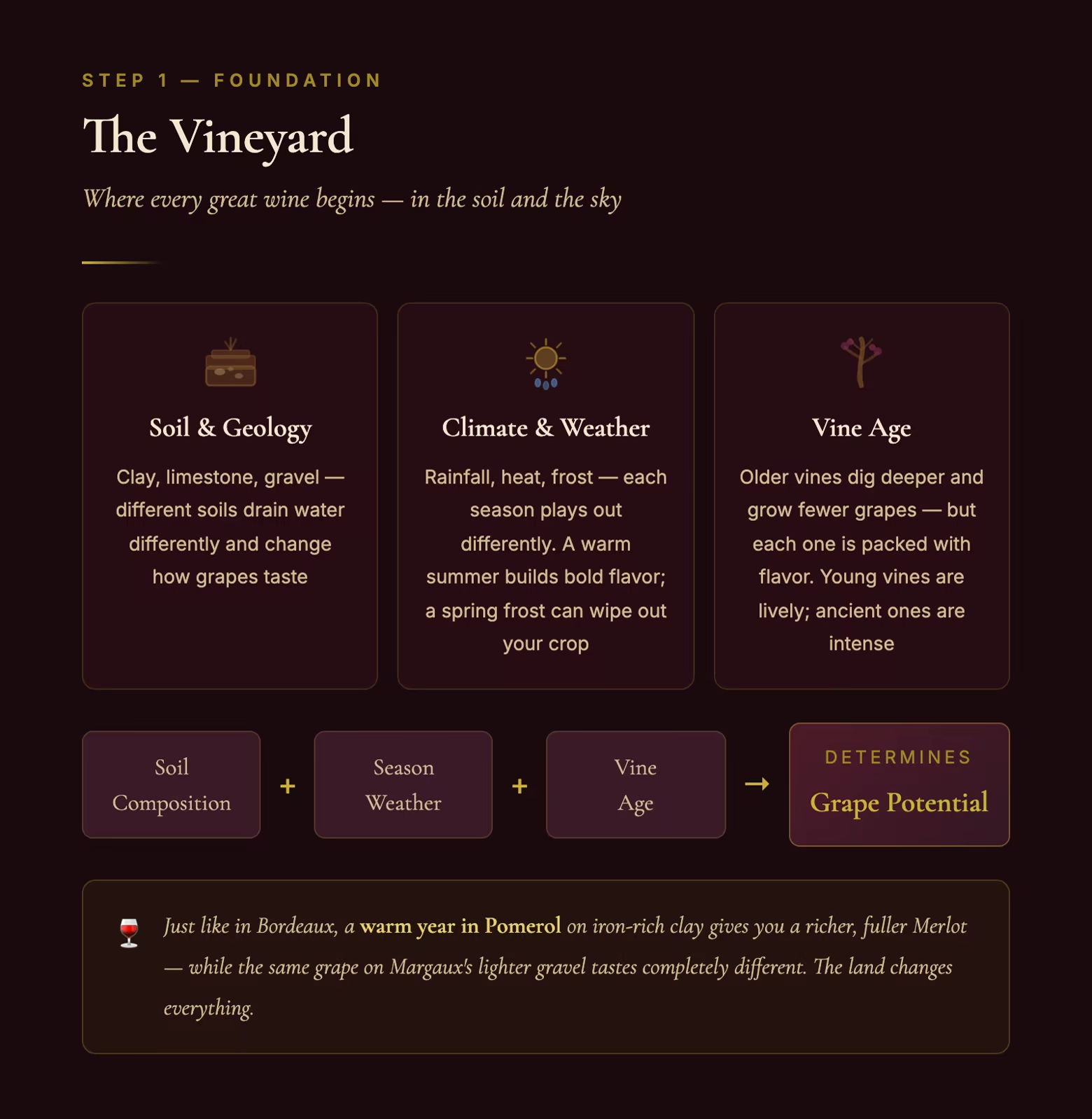
The game puts terroir at the center of its design. Before you even think about barrels or bottling, your grapes already have a ceiling (and a personality) based on the land they come from. Factors like soil type, climate, and vine age establish the baseline potential of each harvest. The result is a management loop where the “right” answer depends on context—your vineyard might be naturally suited for bold structure, delicate aromatics, or fruit-forward accessibility.
Oak Choices That Actually Matter
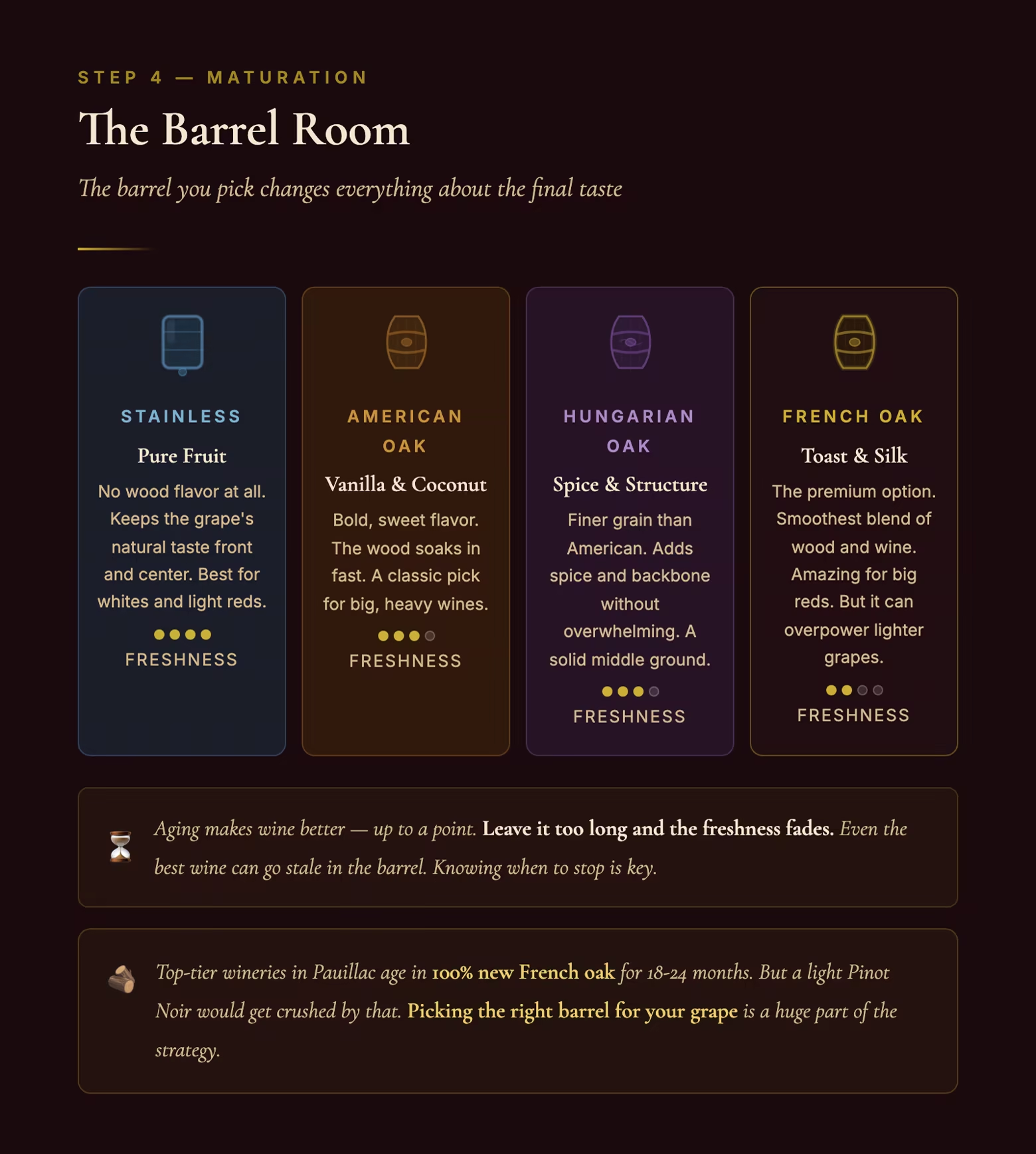
Oak aging is where Grand Cru leans into tactile, consequence-heavy decision-making. You’ll choose between French, Hungarian, or American oak, and the selection isn’t cosmetic: different varieties, freshness levels, and your grape’s tolerance to oak influence the final profile. Pick the wrong match and you can bury fruit character, flatten complexity, or push the wine away from the audience you’re trying to please.
The Four Pillars of Quality
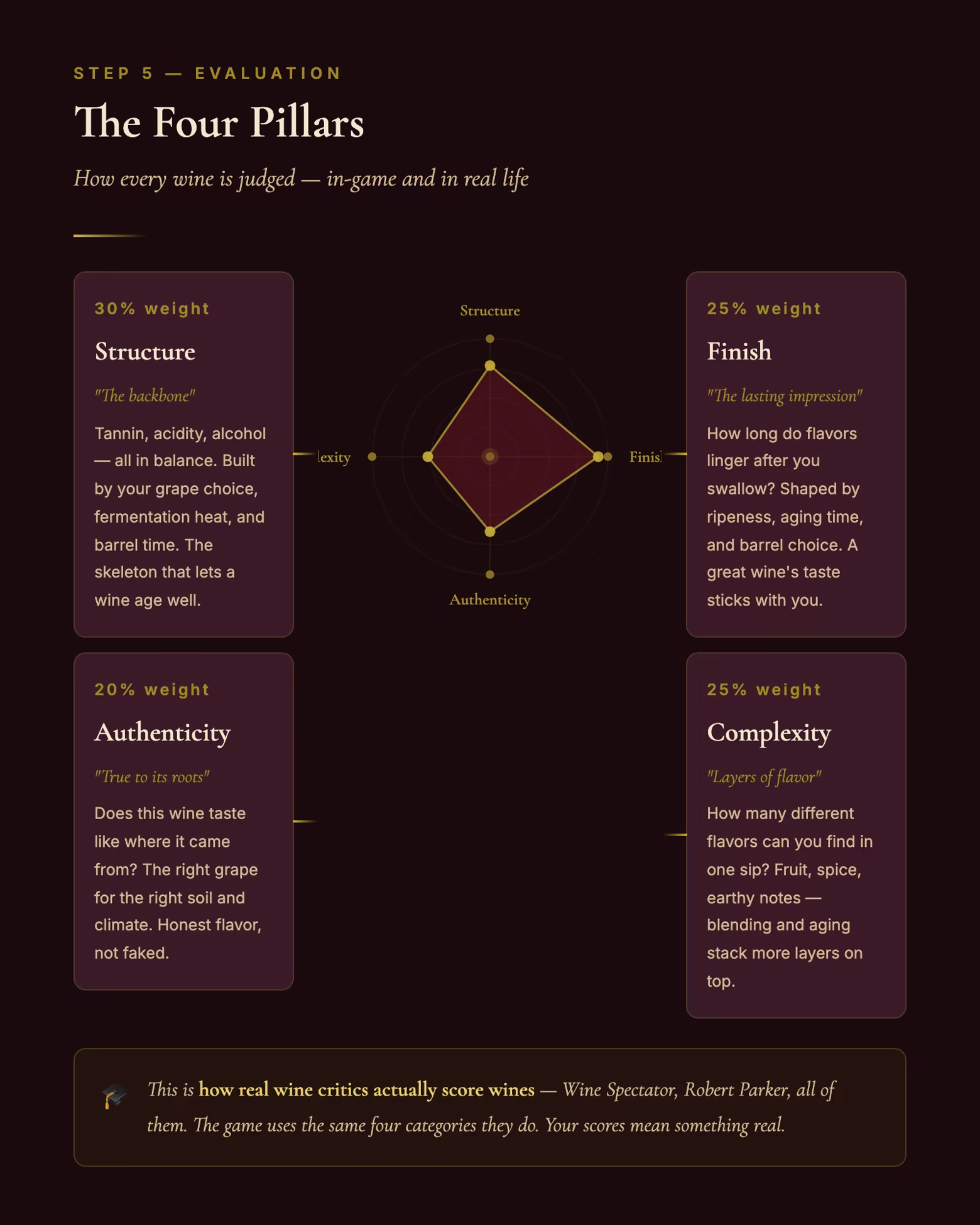
Instead of a single all-purpose “quality” number, Grand Cru scores wine across four pillars that mirror how real-world critics talk about elite regions:
- Structure — the backbone: balance, body, and overall shape.
- Authenticity — whether the wine feels true to its varietal/terroir intent.
- Finish — how the experience concludes and lingers.
- Complexity — layers, depth, and evolving character.
This creates satisfying tradeoffs. Chasing complexity might hurt approachability. Pushing structure can make a wine impressive to judges but less friendly to casual buyers. The fun is in identifying what your vineyard naturally excels at and then making cellar decisions that amplify—rather than fight—that identity.
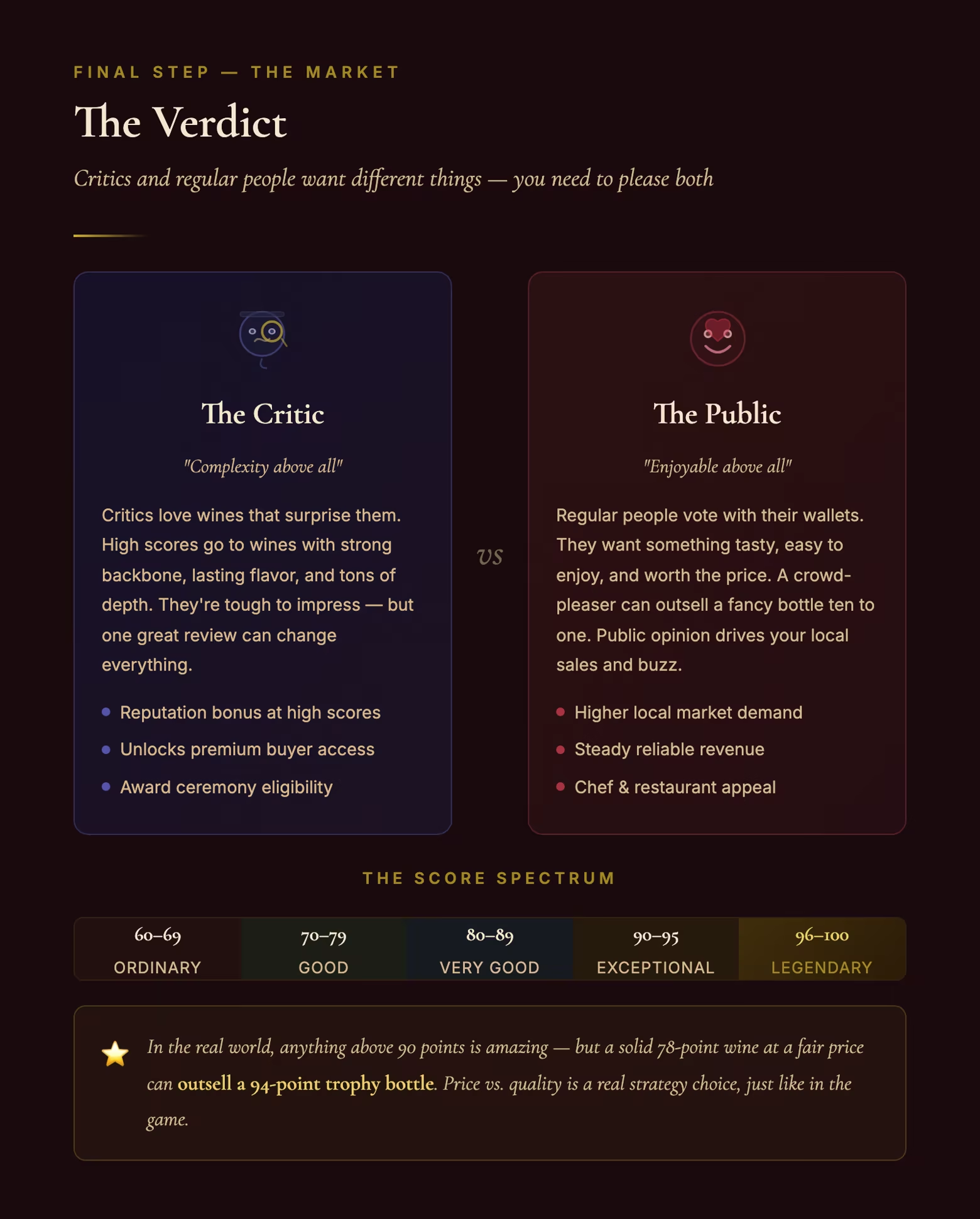
Critics vs. Public: Know Your Market
One of the most interesting tensions in Grand Cru is that critics and the public don’t grade the same way. Critics tend to reward structure and complexity, while public taste leans toward fruit and approachability. That means a single bottle can land dramatically different reception depending on who’s judging it—forcing you to think like a producer, not just a craftsman.
If you’re aiming for prestige, you may accept a narrower market. If you’re building a brand that sells, you’ll likely temper the more challenging elements. The best runs come from developing a repeatable style: understanding your vineyard’s strengths, matching oak and process choices to that profile, and then producing wines that consistently hit the target audience.
Why It Plays Well on Mac
Grand Cru: The Wine Maker is the kind of strategy/sim experience that fits naturally on macOS: measured pacing, lots of decision points, and an emphasis on systems rather than reflexes. It’s also lightweight in terms of storage and should be accessible on a broad range of modern Macs.
Mac System Requirements
Minimum
- OS: macOS 11.0 (Big Sur)
- Processor: Apple M1 or Intel Core i5 (2017+)
- Memory: 4 GB RAM
- Graphics: Metal-compatible GPU
- Storage: 200 MB available space
Recommended
- OS: macOS 13.0 (Ventura) or later
- Processor: Apple M1 or later
- Memory: 8 GB RAM
- Storage: 500 MB available space
Bottom Line
Grand Cru: The Wine Maker is for players who like management games where the numbers tell a story. The interplay between terroir, oak, and scoring pillars makes experimentation meaningful, and the critics-versus-public split gives your decisions real economic and creative weight. If you’ve ever wanted a sim that treats winemaking as a chain of consequential choices—not a theme pasted onto generic crafting—this is one to keep on your Mac radar.
Create your own wine style. Your vineyard, your rules.


Comments
Sign in to join the conversation.
Log in to commentNo comments yet. Be the first to join the conversation.