

iPhone Duo is now in Apple Stores worldwide
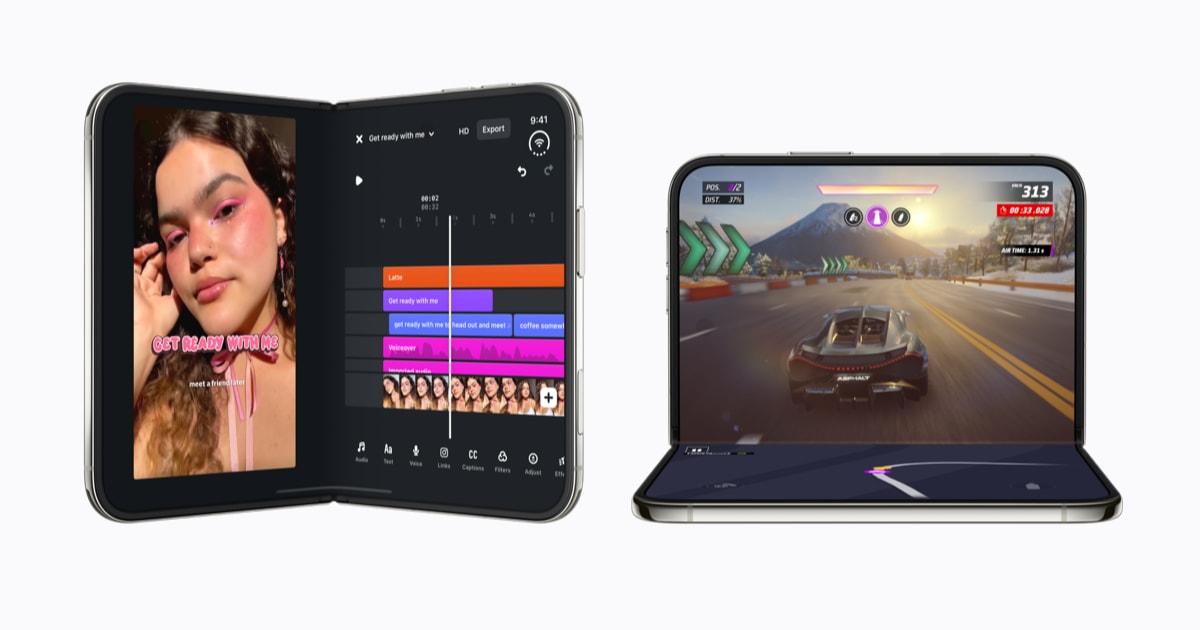
Apple’s highly anticipated iPhone Duo officially arrived at Apple Store locations worldwide on Friday, October 23, according to Apple Newsroom. The launch is being treated like a major platform moment: Apple execs and retail teams welcomed customers in flagship locations, and stores are offering hands-on demos of what Apple describes as its first foldable iPhone.
From a MacGaming.com perspective, this isn’t a game reveal or a new GPU story—but it is a meaningful ecosystem datapoint. New form factors tend to ripple outward: app layouts, input expectations, performance targets, and the way developers test UI across the iPhone-to-iPad-to-Mac continuum all get more complicated (and sometimes more interesting) when a new screen shape enters the mainstream.
Why Mac, Apple Silicon, and game developers should care (without overhyping it)
Foldables don’t automatically translate into “better gaming,” and Apple’s announcement doesn’t make gaming-specific claims. But a foldable iPhone arriving at global retail scale can still matter to developers shipping games and game-adjacent software across Apple platforms.
1) More display configurations to support. The biggest immediate impact is practical: games with fixed HUD layouts, rigid aspect-ratio assumptions, or touch targets pinned to corners will need to behave well across additional states. If iPhone Duo introduces meaningful shifts in usable display area (depending on folded/unfolded modes), the safest approach is the same advice we give for iPad and Stage Manager: embrace adaptive layout rather than “one perfect resolution.”
2) UX expectations move across devices. When Apple normalizes a new interaction pattern on iPhone, it can influence user expectations everywhere else—especially for players who bounce between iPhone, iPad, and Mac. The more consistent your UI scaling and input handling is across Apple’s device family, the less friction you introduce when someone picks up the same title on a different screen.
3) Ecosystem support and retail onboarding reduces adoption friction. Apple is leaning hard on in-store demos, Personal Setup, and Specialist-guided purchasing options. That kind of retail and onboarding push tends to accelerate adoption among mainstream customers—which is ultimately who developers need when considering whether it’s worth spending time polishing edge cases for a new class of device.
Retail availability, demos, and iOS 27 sessions
Apple says customers can explore and purchase iPhone Duo and the broader iPhone lineup at Apple Store locations worldwide, on apple.com, and via the Apple Store app. Apple also highlights store support options like Apple Trade In, upgrade and installment programs, and carrier deals.
Of note for the broader platform conversation, Apple mentions new Today at Apple sessions including “Say Hello to iPhone Duo” and “Tips: What’s New in iOS 27 on iPhone.” For developers and enthusiasts, that’s a reminder that iOS 27 will be part of the early Duo experience—and any UI/compatibility expectations around Duo will likely be framed through iOS 27-era design behaviors.
Source and what we’re watching next
Source: Apple Newsroom (published 2026-10-23). The original post focuses on launch-day retail availability and customer experience rather than technical specifications.
For Mac and Apple Silicon gaming watchers, the next meaningful details won’t be the store photos—it’ll be how iOS 27 frameworks, resolution reporting, safe areas, and any new multitasking behaviors present on Duo in real-world developer testing. If Apple follows up with clearer technical guidance for foldable-specific layout and performance expectations, that’s when the story becomes directly actionable for game studios.
Read Apple’s announcement here: iPhone Duo arrives at Apple Store locations worldwide.




Comments
Sign in to join the conversation.
Log in to commentNo comments yet. Be the first to join the conversation.